The United Arab Emirates has become the latest country to restrict children’s access to social media, setting 15 as the minimum age for using major platforms.
Social media companies will have 12 months to monitor and disable accounts created by children under 15 or risk warnings, penalties, or partial or full blocking, according to a cabinet resolution cited by the official WAM news agency on Thursday.
The UAE said the move is aimed at strengthening digital child protection, as concerns grow worldwide over cyberbullying, online predators, addictive behaviour and the impact of harmful content on children’s mental health.
The decision comes after Australia introduced a world-first social media ban for under-16s, ordering major platforms including TikTok, YouTube, Instagram and Facebook to block underage users or face heavy fines.

Here are five other countries that have taken similar steps:
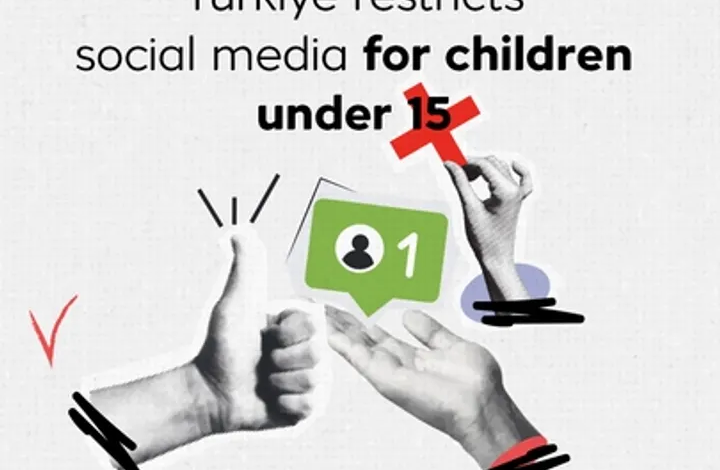
Türkiye
Türkiye introduced stricter social media regulations on April 22 to better protect children and teenagers under 15, citing concerns over online safety, harmful content and the mental health of young users.
The measures require stronger age verification systems and give parents greater control over their children’s screen time, in-app purchases and account settings.
Safer, youth-friendly versions of platforms will also be developed for minors, while stricter obligations will apply to social media platforms with more than 10 million daily users in Türkiye. Gaming platforms will also be required to implement tighter rules similar to those applied to social media companies.
Related
The United Kingdom
British Prime Minister Keir Starmer announced on June 15 that under-16s would be banned from accessing all major social media apps, saying a full ban was the “right choice” to protect children’s safety and mental health.
Starmer said social media was making children unhappy, exposing them to harassment and abuse, and giving them access to dangerous content.
He added that products not covered by the blanket ban, including gaming platforms, would still have to prevent children from communicating with strangers, saying the risk of some children bypassing the rules should not stop the government from acting.