The United Arab Emirates is working on a major plan to eliminate its dependence on the Strait of Hormuz after the recent closure of the critical waterway exposed the vulnerability of Gulf trade and energy flows, Anadolu Agency reports.
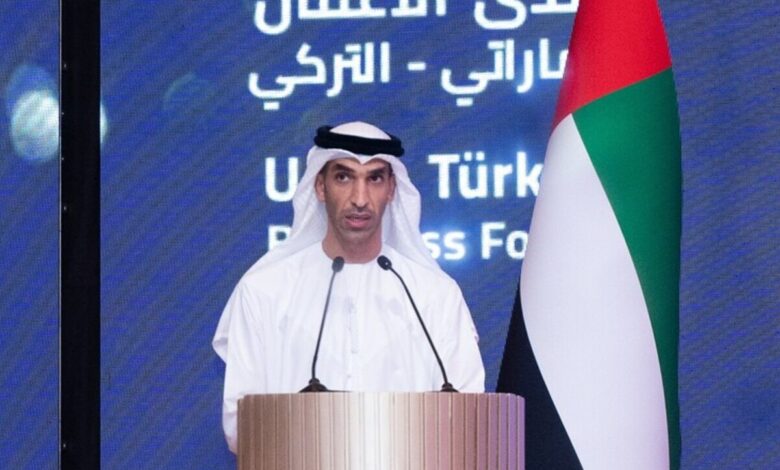
UAE Minister of Foreign Trade Thani Al Zeyoudi said the country is moving toward “zero Hormuz dependency,” according to a Bloomberg report.
The plan comes as global markets await the full reopening of the strait following an interim peace deal between Iran and the US.


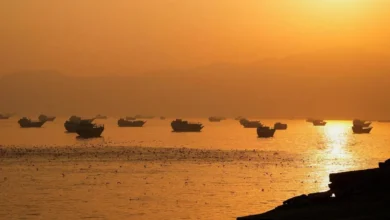
The Strait of Hormuz, through which around a fifth of global crude oil and liquefied natural gas shipments passed before the war, has been disrupted since US and Israeli strikes on Iran began in late February.
At the center of the UAE’s plan is a major expansion of the eastern ports of Dibba, Fujairah and Khor Fakkan, located outside the strait on the Gulf of Oman coast, according to the report.
The country also plans to build at least one new harbor on the same coastline, alongside new pipelines, rail and road networks to connect eastern ports with oil and gas fields and petroleum facilities.
The UAE already uses an existing 1.5 million barrel-per-day pipeline to ship crude to Fujairah, allowing it to partially bypass Hormuz.
READ: Israeli media: UAE security delegation visited Israel secretly during Iran war
It announced in mid-May that it would fast-track construction of a second pipeline to double crude export capacity through Fujairah by 2027.
The country is also studying a third petroleum pipeline and other options to support exports of petrochemicals, LNG and other energy products.
Al Zeyoudi did not give a cost or timeline, saying the projects are still in the feasibility stage, though the infrastructure expansion is expected to require investments worth many billions of dollars.
Reducing reliance on Hormuz remains difficult, as shifting LNG, aluminum and other commodities away from Gulf ports would be more complex than redirecting crude and refined oil.
The UAE also depends heavily on ports inside the Gulf, particularly Dubai’s Jebel Ali, one of the world’s largest container hubs, for imports and redistribution.
The UAE has repeatedly called for uninterrupted traffic through the Strait of Hormuz, saying the waterway is vital for regional and global security, stability and economic prosperity.
The plan signals a broader strategic shift toward reducing exposure to geopolitical risks in the Gulf and strengthening alternative trade and energy routes outside the strait.
READ: Trump says Iran pact ‘not final,’ warns of renewed strikes