GENEVA – The United Nations weather agency forecast on June 2 a moderate or possibly strong El Nino that could drive up global temperatures and increase the risk of extreme weather over the coming months.
El Nino is a periodic warming of sea surface temperatures in the central and eastern Pacific Ocean, which typically lasts between nine and 12 months, according to the World Meteorological Organisation.
The WMO said warm ocean waters were driving El Nino’s development and predicted above-average temperatures in most parts of the world from June to August.
The WMO said it is likely El Nino will continue until November.


“We need to prepare for a potentially strong El Nino event – which will exacerbate drought and heavy rainfall and increase the risk of heatwaves both on land and in the ocean,” said WMO secretary-general Celeste Saulo.
The weather pattern is known to disrupt regional climates, potentially bringing warmer temperatures across the globe, while increasing rainfall to southern South America, the southern United States, parts of the Horn of Africa and central Asia.
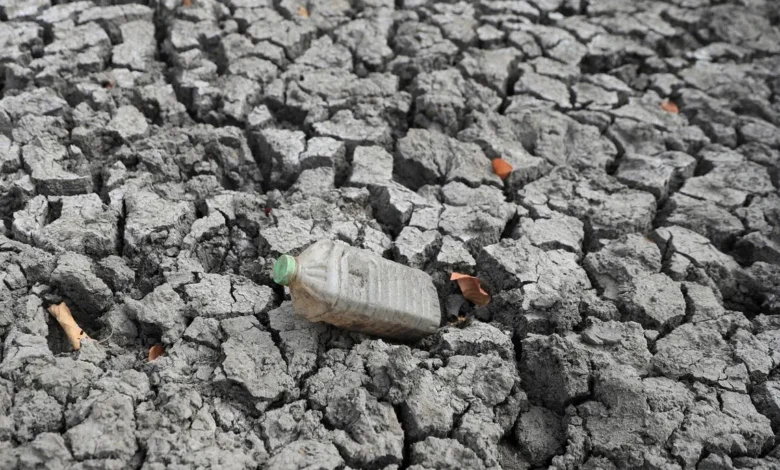
It can also cause drought in Australia, central America, Indonesia, and sections of southern Asia, and lead to the formation of hurricanes in the central and eastern Pacific Ocean, the WMO said.
The most recent El Nino, in 2023 to 24, contributed to making 2024 the hottest year on record, Saulo added.
“Extreme heat alone is already one of the deadliest climate hazards we face, and an El Nino event could intensify the threat,” said Saulo.
The risks include more heat-related illness, a wider spread of vector-borne diseases and increased pressure on food and water systems.
“Communities that were already struggling will be pushed farther beyond their limits,” she said.
A shift has been observed in the Equatorial Pacific, with sea surface temperatures rising rapidly from late April to mid-May, suggesting El Nino conditions were developing, the WMO said.
The agency said it has observed unusually warm subsurface conditions across the tropical Pacific with temperatures exceeding 6 deg C above average, creating a reservoir of heat that is driving surface warming.
Some national weather agencies have forecast the strongest El Nino, in a decade, warning of hotter, drier weather across Asia in the second half of 2026 that is likely to damage crops and food supplies as farmers already struggle with fertiliser shortages and costly fuel caused by the Iran war.
However, the WMO said currently there was still uncertainty about the strength of El Nino as some models are not predicting a strong El Nino.
“The world must treat it as the urgent climate warning it is. El Nino conditions will pour fuel on the fire of a warming world,” said UN secretary-general Antonio Guterres, urging a shift away from fossil fuels towards renewable energy.
While there is no evidence that climate change increases the frequency or intensity of El Nino patterns, it can make associated impacts such as extreme heatwaves and heavy rainfall worse, according to the WMO. REUTERS