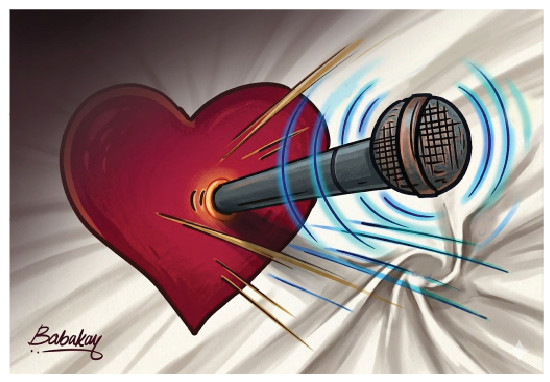
Every nation reaches a point when silence stops being caution and becomes complicity. Nations do not decline only because bad actors rise. They decline when good people retreat into comfort, calculation, or fear at the moment truth requires a voice.
Nigeria is nearing such a moment. Public trust is thinning under the combined weight of insecurity, hardship, electoral suspicion, judicial doubt, and weakening institutional credibility. These are not isolated problems; they are connected symptoms of national distress. When hunger meets fear, inflation outruns income, unemployment erodes dignity, and citizens doubt institutions meant to protect them, the moral fabric of society begins to fray.
A Moral Warning, Not a Partisan Cry
This is why the recent statement by a group of eminent Nigerians deserves serious reflection rather than partisan dismissal. It was issued by ten respected citizens, including Prof. Attahiru Jega, Prof. Ibrahim Gambari, Abubakar Mahmoud, Prof. Jibrin Ibrahim, Dr Husseini Abdu, Amb. Fatima Balla, and others.
Some may question their timing, tone, conclusions, or political assumptions. Others may reduce the intervention to regional grievance or elite anxiety. That would be a mistake. The deeper meaning of their message is moral, not merely political. They have done what citizens of conscience must do in uncertain times: refuse to pretend that all is well.
The issue is not whether every sentence in their statement is beyond dispute. No public intervention enjoys that privilege. The real issue is whether the anxieties they raised correspond to the lived reality of millions of Nigerians. Do citizens feel safer? Do they trust elections and courts more deeply? Do they feel the government listens when they suffer, or only speaks when it seeks applause?
A mature nation does not attack the messenger of a moral warning. A fire alarm does not cause the fire, and a doctor does not invent the illness by naming it. Wisdom lies in listening beyond tone, identity, or political suspicion, and asking whether the warning contains truth. Self-examination does not diminish leadership. Denial does.
Nigeria’s crises are mounting, but the greater danger lies in how they reinforce one another. Insecurity disrupts farming, schooling, trade, and investment. Economic hardship deepens frustration. Electoral distrust breeds cynicism. Judicial doubt reduces faith in peaceful remedies. Weak institutions encourage impunity. Gradually, the state may remain strong in appearance while becoming fragile in legitimacy.
That is why conscience matters. Conscience is not sentimentality. It is the discipline that enables individuals and societies to distinguish convenience from duty. In public life, conscience asks hard questions, unsettles comfort, and reminds the powerful that authority is temporary but accountability is permanent. Patriotism is not flattery. To love a country is not to excuse its failures, but to insist that it becomes worthy of its people’s sacrifices.
Leadership is not confined to public office. Former officeholders, elders, jurists, scholars, clerics, professionals, journalists, and civic actors all bear a continuing moral responsibility. Their value lies not in being infallible, but in refusing convenient silence when the nation is in distress.
Democracy, Justice and the Fragility of Trust
The concerns about Nigeria’s democracy are urgent. The separation of power protects citizens from abuse. Legislative independence is a shield for society. Judicial independence is the last refuge of the weak against the powerful. Electoral credibility is the foundation of peaceful power transfer. When citizens no longer trust elections, disappointment hardens into alienation. When they believe courts are compromised or distant, frustration leaves the system and enters the streets. When election managers appear incompetent or partisan, every election becomes a test of national stability.
The road to 2027 must be approached with humility and urgency. Electoral reform is not a concession to the opposition. It is an investment in peace. The credibility of the next general election will depend on early, visible, and honest action: credible voter registration, reliable technology, transparent appointments, professional security coordination, firm punishment for electoral offences, and sustained engagement with citizens. Trust is not improvised at polling units. It is built long before election day.
The judiciary faces a defining test. Courts tell society whether power has limits, truth matters, and the poor can stand before the mighty without fear. When confidence in the courts declines, investors hesitate, citizens despair, politicians become reckless, and the rule of law becomes an empty phrase. The judiciary must protect its formal independence and public perception of its integrity.
The security challenge is equally grave. Nigeria cannot separate its stability from the instability spreading across the Sahel and West Africa. Terrorism, arms trafficking, porous borders, coups, and weak regional coordination are not distant concerns. Mali, Burkina Faso, Niger, and the Lake Chad Basin are part of Nigeria’s strategic neighbourhood. Nigeria, therefore, needs sober regional engagement built on intelligence sharing, border management, peacebuilding, and the restoration of trust.
Yet security cannot be reduced to guns and checkpoints. Peace also requires schools that work, opportunities for young people, trusted local justice, inclusive communities, and governance that reaches neglected places before violent actors do. Professional bodies must defend standards. The private sector must understand that profit cannot flourish in lawlessness. Religious and traditional leaders must promote dialogue. Civil society must organise with courage. The media must inform, investigate, and challenge without fear or sensationalism. Citizens, too, must resist despair.
Nigeria remains profoundly resilient. Its people work, trade, teach, heal, farm, innovate, worship, and raise families despite adversity. But resilience should not be exploited. No nation should keep asking its people to endure while accountability fades and institutions weaken. Hope requires evidence. Patriotism requires responsible leadership.