The latest clashes involving the US, Israel, and Iran go beyond just another round of Middle East fighting. They shine a harsh light on how shaky the region’s security setup really is — and force Arab leaders to question long-held beliefs they’ve leaned on for years.
For a long time, many Arab states bet heavily on one idea: stay close to Washington, buy lots of Western weapons, and quietly work with Israel. That was supposed to bring lasting calm. After the Abraham Accords, this mix got sold as a bold new path to peace. But honestly, it felt more like a coalition built to box in Iran than true reconciliation.
Now this war is showing the cracks in that plan.

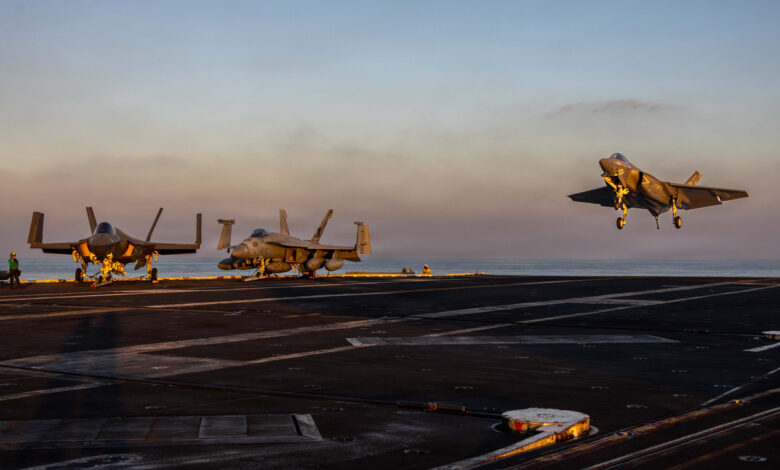
All the military hardware and alliances haven’t delivered real stability. Instead, they’ve left the region even more hooked on outside powers whose goals keep changing.
The toughest pill to swallow? The United States doesn’t have permanent friends here in any deep sense — it has interests that shift with the wind.
Look at the track record: America pulled out of Afghanistan after two decades, almost overnight in the eyes of many partners. Or remember the 2019 drone and missile strikes on Saudi oil facilities at Abqaiq and HYPERLINK “https://www.bakerinstitute.org/research/us-response-attacks-persian-gulf-oil-infrastructure”Khurais — the response from Washington was pretty measured. Time and again, commitments last only while they fit bigger American priorities. When those change, even “close allies” can find themselves on their own.
This is the wake-up call. Too many Arab countries have poured money into fancy imported defense systems and big-ticket deals while neglecting the harder work of building real ties with neighbors. The Middle East is now one of the most armed places on Earth, yet it still struggles with shaky economies, high youth unemployment, crumbling infrastructure, and endless crises.
Iran sits right in the middle of all this. Love their policies or hate them, you can’t wish away their size, their population, their energy reserves, or their position connecting the Gulf to Central Asia and beyond. A lasting security setup in the Persian Gulf can’t treat Iran as some forever outsider.
This doesn’t mean Arab governments should ignore legitimate worries about Iran’s actions or suddenly become best friends with Tehran. It just means accepting a basic rule of geopolitics: freezing someone out rarely builds a stable neighborhood.
Europe after World War II offers a clue. France and Germany didn’t suddenly start trusting each other out of nowhere. They created real economic ties that made another war too expensive to even consider — starting with the European Coal and Steel Community, which laid the groundwork for the EU.
READ: Iran says Israel’s actions in Lebanon delaying US deal
The Middle East needs its own version of that shift. Gulf states, with their wealth, could lead a move toward “developmental security” — one rooted in shared economic projects instead of endless reliance on foreign guns.
Including Iran in practical stuff like joint energy lines, railways, ports, and investment funds wouldn’t erase political fights. But it could slowly build habits of cooperation that make blowing things up much costlier. When your economy depends on the same roads, pipelines, and markets as your neighbor, you’re less likely to risk burning it all down.
Meanwhile, counting forever on American protection looks increasingly risky. The US is busy with its own deep divisions, competition with China, and a clear desire to avoid getting stuck in another Middle East quagmire. Alliances there feel more transactional these days — useful until they’re not.
The current fighting should spark some real soul-searching across the Arab world. Military partnerships still have value, sure. But depending on them as the only pillar of stability? History suggests that’s a dead end.
What the region actually needs is deeper economic links, serious diplomacy, and enough overlapping interests to make major conflict a bad bet for everyone involved. Otherwise, we stay trapped in the same old cycle of militarization and proxy wars — great for weapons makers and outside players, but terrible for ordinary people who just want jobs, safety, and a future.
This approach won’t magically fix every grudge or border dispute. But it could change the whole atmosphere around them.
Instead of always measuring strength by tanks and missiles, leaders could start judging success by trade flows, reliable infrastructure, tech sharing, and growing economies.
It’ll take real political guts to move this way. It means dropping the comforting myth that you can outsource your long-term security to someone else indefinitely. If anything, this conflict might be remembered as the painful moment that finally pushed the region to face reality: bought peace doesn’t last. Real, lasting stability has to be built at home, through tough choices favoring coexistence and joint development over permanent standoffs.
OPINION: Manufacturing a substitute enemy: When Iran replaces Palestine in Arab media
The views expressed in this article belong to the author and do not necessarily reflect the editorial policy of Middle East Monitor.