By Gbodiyan Oluwakemi Karen, Abuja
Gender advocate and Executive Director of the Gender Strategy Advancement International (GSAI), Adaora Onyechere Sydney-Jack, has called for a shift from symbolic inclusion of women in politics to meaningful participation in decision-making, arguing that genuine democratic progress depends not merely on representation but on women’s ability to influence public policy, allocate resources, and shape national priorities.

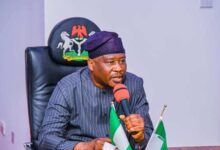
Speaking in her keynote address during the LeapAfrica Dissemination Webinar Series on the theme, “Rethinking Leadership: Gender, Power, and Political Decision-Making in Africa,” Sydney-Jack said conversations about women’s political participation must move beyond counting the number of women in elective and appointive offices to addressing the deeper issue of power and influence.
According to her, the critical questions are no longer simply about who occupies leadership positions, but who holds power, influences decisions, sets national priorities, and determines how resources are allocated.
“Leadership is not merely about individuals. Leadership is about institutions, access, influence, and whose voices matter when critical decisions are made,” she said.
Sydney-Jack noted that Africa stands at a pivotal moment in its history, with projections indicating that by 2050, one in every four people in the world will be African.
Despite the continent’s growing demographic significance, she observed that many African political institutions remain insufficiently representative of the societies they govern.
She argued that Africa cannot achieve inclusive development while excluding half of its population from meaningful participation in political power and decision-making.
Drawing from global trends, Sydney-Jack said women currently occupy about 27 per cent of parliamentary seats worldwide, a significant improvement from three decades ago but still far from gender parity.
She noted that political empowerment remains the largest gender gap globally and among the slowest to close.
“Political inclusion is not the natural outcome of development or modernisation. It is the product of deliberate institutional choices,” she stated.
The gender advocate highlighted countries such as Rwanda, South Africa, Namibia, Senegal and Tanzania as examples of nations that have made significant strides in women’s political representation through intentional reforms, constitutional provisions and quota systems.
According to her, these countries demonstrated that political inclusion is not determined by economic strength or geography but by institutional design and political will.