BY Abigail David
Many indigenous Nigerian fruits are gradually becoming difficult to find due to deforestation, urbanisation, climate change and changing farming practices. Once common in villages, forests and local markets, several of these fruits are now disappearing from everyday life, leaving many younger Nigerians unfamiliar with them.
As forests continue to shrink and more land is cleared for housing and agriculture, experts warn that many native fruit trees are at risk. Here are 12 indigenous Nigerian fruits that are slowly disappearing.
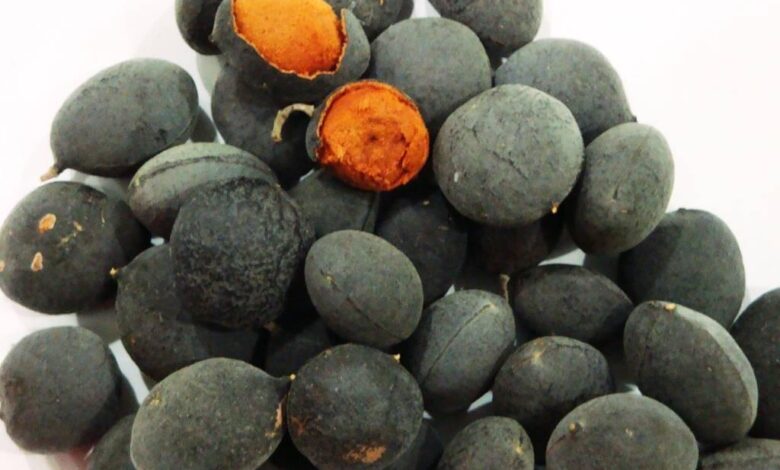
1. Black Tamarind

Unlike the common tamarind, black tamarind is a rare local variety with a sweet-and-sour flavour. It was once a favourite childhood snack in many parts of Nigeria but is now becoming increasingly scarce.


2. Hog Plum (Ogogo)
Known as Ogogo in some communities, hog plum produces juicy, tangy fruits that grow on tall trees. Urban development and widespread tree felling have greatly reduced its availability.
3. Bush Mango (Ugiri)
Bush mango is highly valued across southern Nigeria for both its fruit and seeds. While the fruit is eaten fresh, its seeds are widely used to prepare traditional soups.
4. Rose Apple
Rose apple is recognised by its bell-shaped appearance, crisp texture and refreshing taste. Although it still grows in some areas, it has become increasingly rare.
5. Mbembe (Wild Black Plum)
Mbembe is a seasonal fruit popular in southern Nigeria. Its naturally sweet taste makes it a favourite among children, but the trees are becoming harder to find.
6. African Bush Pear (Ube)
Also known as African pear or ube, this fruit is usually roasted or softened in warm water before eating. Habitat destruction has reduced the number of wild trees.
7. Yellow Monkey Kola
Yellow monkey kola is a bright yellow fruit known for its nutritional value and mildly sweet taste. It was once common in local markets but is now much less available.
8. Bush Cherry (Ubene)
Ubene produces small fruits with a unique flavour and is commonly found in forested areas. As forests continue to disappear, so do the trees that bear this fruit.
9. Tropical Almond (Ebelebo)
The tropical almond tree is widespread across tropical regions, but indigenous varieties known locally as Ebelebo are becoming increasingly uncommon.
10. Red Monkey Kola
Red monkey kola is closely related to the yellow variety and has long been enjoyed as a nutritious snack. However, fewer trees are now being cultivated.
11. Pepper Fruit (Dennettia)
Pepper fruit has a distinctive spicy taste and is commonly eaten fresh or used in traditional medicine. It remains popular in parts of southeastern Nigeria but is gradually becoming less common.
12. African Walnut (Tetracarpidium conophorum)
African walnut is prized for its nutritious seeds, which are usually boiled before consumption. Although still cultivated in some regions, production has declined due to habitat destruction and reduced cultivation.
Preserving Nigeria’s Indigenous Fruits
Nigeria’s indigenous fruits are an important part of the country’s cultural and agricultural heritage. Protecting these species through conservation, tree planting and sustainable farming practices will help ensure that future generations can continue to enjoy these unique native fruits rather than only hearing stories about them.