The unveiling of vice-presidential candidates by the major political parties has shifted attention to the possible impact of running mates on the outcome of the 2027 presidential election.
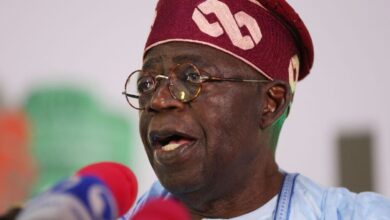
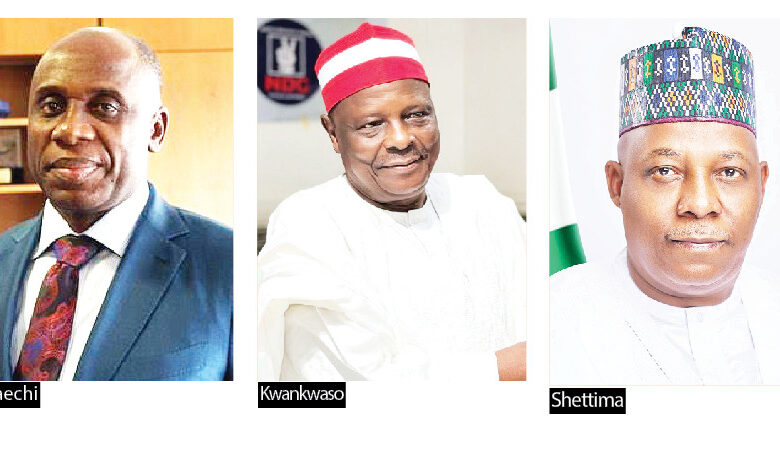
With the Independent National Electoral Commission (INEC) closing nominations, President Bola Tinubu of the ruling All Progressives Congress (APC) will seek re-election alongside Vice President Kashim Shettima.
Meanwhile, the African Democratic Congress (ADC) presidential candidate, former Vice President Atiku Abubakar, has chosen former Rivers State governor Rotimi Amaechi as his running mate.
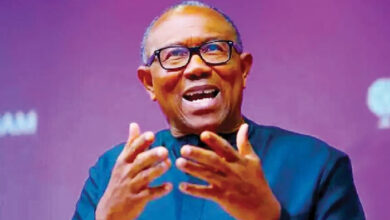
The National Democratic Congress (NDC) presidential candidate, Peter Obi, has also selected former Kano State governor, Senator Rabiu Musa Kwankwaso, as his running mate.
The emergence of the three tickets has drawn attention to the political experience, regional appeal and grassroots support the running mates are expected to bring to their respective campaigns ahead of the February 2027 presidential election.
For the APC, Shettima remains on the ticket after serving as vice president since 2023. A former governor of Borno State and former senator representing Borno Central, he is expected to play a key role in the party’s efforts to retain support in the North-East.
The region is expected to be a major battleground in the election, with Atiku, who is also from the North-East, seeking to consolidate his traditional political base.
During the 2023 presidential election, Atiku won Adamawa, Bauchi, Gombe, Taraba and Yobe states, while Tinubu secured only Borno State in the zone.
On the ADC ticket, Atiku’s choice of Amaechi has been widely seen as an effort to strengthen the party’s presence in the South-South and expand its reach across the South-East.
Amaechi, a former Speaker of the Rivers State House of Assembly, two-term governor and former Minister of Transportation, brings decades of political and administrative experience to the ticket.
He was one of the leading aspirants in the APC presidential primary ahead of the 2023 election, finishing behind Tinubu.
Although Tinubu won Rivers State in the 2023 presidential election, Peter Obi emerged as the dominant candidate across much of the South-East. Obi also recorded significant support in parts of the South-South.
While Tinubu polled 1,271 votes in the 2023 APC presidential primary, Amaechi, a former minister and top contender, polled 316 votes. Former Vice President Yemi Osinbajo received 235 votes.
For the NDC, Obi’s selection of Kwankwaso is expected to strengthen the party’s prospects in Northern Nigeria, particularly Kano State and parts of the North-West.
Kwankwaso, a former Kano State governor and senator, is widely recognised for leading the Kwankwasiyya Movement, one of the country’s most influential grassroots political organisations.
He won Kano State in the 2023 presidential election, defeating the APC, PDP, and Labour Party candidates by a wide margin.
In the election, Kwankwaso, the New Nigeria Peoples Party (NNPP) candidate, obtained 58.4 per cent of the votes and won the state by nearly 440,000 votes, a 26.9 per cent margin of victory over runner-up Atiku Abubakar of the Peoples Democratic Party (PDP).
The other two major contenders, Tinubu and Peter Obi of the Labour Party, trailed with 7.3 per cent and 1.8 per cent respectively.
However, Kwankwaso’s emergence on the ticket comes after internal disagreements within the Kwankwasiyya Movement following his fallout with his political godson, Kano State Governor Abba Kabir Yusuf, who had defected to the ruling APC.
Policy and political analyst Suleiman Hassan Gimba said Nigerians should not assume that elections are won solely because of the personalities on a presidential ticket.