
ActionAid Nigeria has pledged to expand its support for young farmers and strengthen interventions across Nigeria’s agricultural sector as part of efforts to boost food security, improve livelihoods and reduce poverty.
The organisation made the commitment at the opening of the national validation of the Agrifood System Strategy and Action Plan for the implementation of the Comprehensive Africa Agriculture Development Programme (CAADP) Kampala Declaration (2026–2035).
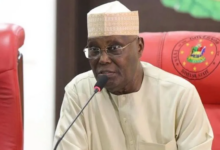
At the event, ActionAid’s food systems specialist and representative of the country director, Azubuike Nwokoye, said the organisation had trained and supported 136,000 smallholder farmers and young people across several states over the past three years through agroecological practices.
According to him, the intervention has led to improved crop yields, higher incomes and greater climate resilience among beneficiaries.
“We are really taking leadership to a higher level. We are committed to seeing people come out of poverty across Nigeria through the agriculture sector,” Nwokoye said.
“Within the last three years, we have directly trained and supported 136,000 smallholder farmers and young people on agroecological practices in some states, and they are reporting increased yields, improved livelihoods, higher incomes and greater climate resilience.”
He said ActionAid was also investing in leadership development for young farmers to equip them with the skills needed to manage agricultural enterprises and support others within the sector.
Nwokoye dismissed the notion that young Nigerians lack interest in agriculture, describing it as a misconception.
“In the past, people said young people are not interested in agriculture, but it was just rhetoric. Last year, we reached out to different communities and networks and identified young people who are already actively engaged in farming,” he said.
He added that the organisation would continue to provide policy support and business case analysis to governments to demonstrate the economic benefits of increased investment in agriculture.
Earlier, the Permanent Secretary of the Federal Ministry of Agriculture and Food Security, Dr Marcus Ogunbiyi, described the validation exercise as a major milestone in Nigeria’s drive to transform its agrifood system over the next decade.
He said the strategy reflects the country’s commitment to aligning national agricultural priorities with continental goals while building a more competitive, resilient and inclusive food system.
According to Ogunbiyi, the draft strategy was developed through broad consultations involving federal and state governments, development partners, research institutions, private sector organisations, farmers’ associations, women and youth groups, and civil society organisations.