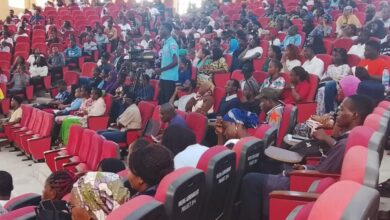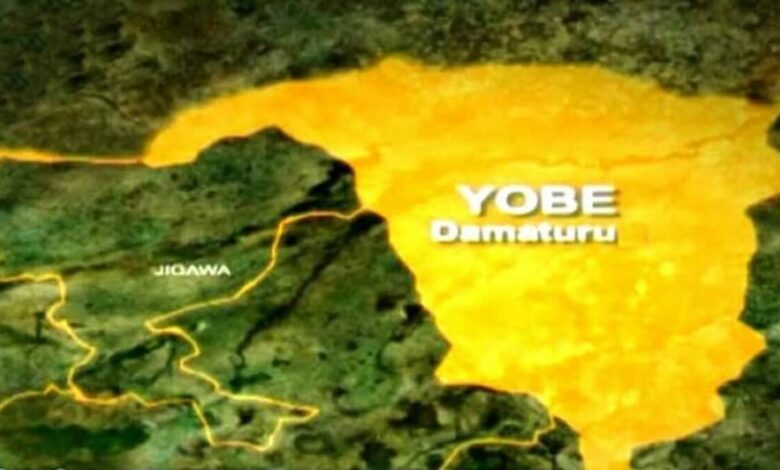
A coalition of development partners has trained key stakeholders in Yobe State on gender-responsive budgeting and government budget processes to strengthen transparency, accountability and inclusive public spending.
The two-day capacity-building workshop aims to equip participants with the skills to effectively track budget implementation and advocate policies that address the needs of women, children and other vulnerable groups.
The initiative, a joint effort by the World Food Programme (WFP), UNICEF and Care Nigeria, is in partnership with the Yobe State Government and funded by the German Federal Ministry for Economic Cooperation and Development (BMZ).
The workshop was designed to boost the capacity of government stakeholders and civil society organisations to integrate a gender-responsive approach into planning, budgeting, implementation and monitoring.
Speaking at the event, the Conflict and Peacebuilding Coordinator of the BMZ-WFP Project in Yobe State, Godiya Ussako Ibrahim, said the workshop was designed to equip participants with practical knowledge and skills on the principles of gender-responsive budgeting, gender analysis in public planning and budgeting processes, and strategies for promoting accountability and inclusive decision-making in public service delivery in Yobe State.
She said the participants were drawn from different ministries, departments and agencies across the state to discuss the importance of the gender-responsive budgeting approach, which ensures public resources are planned, allocated and utilised in ways that address the needs and priorities of all members of society, particularly women and girls.
Godiya Ussako Ibrahim said that at the end of the workshop, participants would develop an action plan identifying responsibilities and key actions, and urged them to apply the knowledge acquired in their respective MDAs so that others could also benefit.
In his remarks, the lead facilitator, Musa Mohammed, said the training was aimed at improving service delivery by ensuring that government budgets and development plans are inclusive and responsive to the needs of all members of society.
He called on the Yobe State Government to sustain the momentum by organising similar workshops to improve the quality of service delivery, pointing out that such training would strengthen stakeholders’ capacity to contribute to more inclusive governance, equitable service delivery and improved development across the state.
In their separate remarks, some participants described the workshop as timely and impactful, expressing confidence that the knowledge acquired would enhance their contributions to policy implementation and inclusive governance.
The BMZ-WFP Project focuses on strengthening resilience and social cohesion in North-East Nigeria while mainstreaming protection, gender and accountability in programmes supporting conflict-affected communities.