0
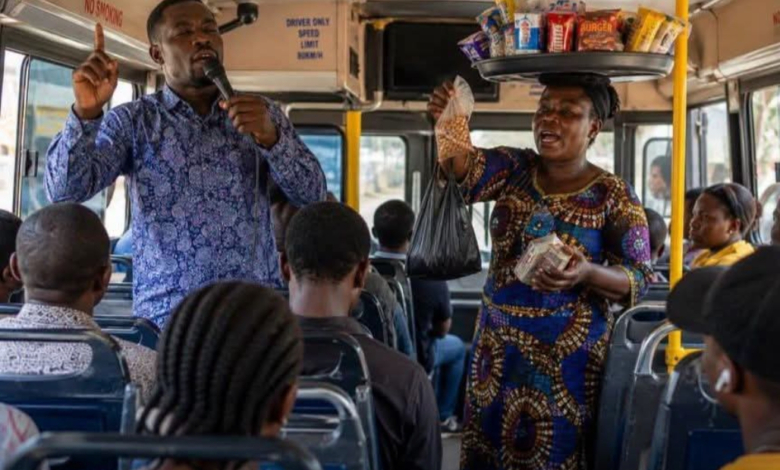
LAGOS – A coalition of clergymen under the aegis of Discipleship College, a platform for Lay Gospel Missionaries and an Interdenominational Gospel Movement, has kicked against a proposed law by the Federal Lawmakers seeking to ban the preaching of the gospel and sale of commodities in public buses across the country.
In a statement jointly signed by Pastor (Dr) Femi Mosaku-Johnson; Pastor (Dr) Dotun Jegede; Pastor (Baba) Ige Aremu; Evangelist Yinka Adebajo, and Barr Oladipo Olayinka, the group described the proposed bill as a direct violation of the fundamental human rights of Nigerians as guaranteed under Chapter IV of the 1999 Constitution of the Federal Republic of Nigeria.
The clergymen cited Section 38, which guarantees the right to freedom of thought, conscience and religion; Section 39, which guarantees freedom of expression; and Section 41, which guarantees freedom of movement and the right to pursue a livelihood, as constitutional provisions that would be breached should the bill be passed into law.

They also referenced Article 1(3) of the United Nations Charter, which promotes respect for human rights and fundamental freedoms for all persons without distinction, as well as Articles 18, 19 and 23 of the Universal Declaration of Human Rights, which respectively guarantee freedom of religion, freedom of opinion and expression, and the right to work and earn a livelihood.
According to the statement, the preaching of the gospel remains a veritable instrument for improving morals, spirituality and human development, adding that it promotes good behaviour, restores discipline, improves upbringing and curtails social and criminal vices in the society.
The group noted that at a time when the country is battling rising cases of terrorism, rape, ritual killings and banditry, the gospel has continued to offer hope in places where governance has failed, bringing healing, conscience and moral restoration to citizens.
“To ban it is to remove one of the last sources of light in our public spaces,” the statement read in part.
The clergymen equally faulted the aspect of the proposed bill targeting the sale of small commodities in buses,
describing it as a means of survival for many families rather than a crime.
They warned that banning such trade would only worsen the poverty and unemployment situation in the country.
The group, therefore, demanded the immediate withdrawal of the bill, stressing that Nigeria, being a signatory to the UN Charter and the Universal Declaration of Human Rights, has a duty to uphold these rights for its citizens.
They called on the National Assembly to channel its legislative energy towards making laws that secure lives, create jobs and protect the dignity of citizens, rather than laws that suppress faith and livelihood.
“We say No to the ban. We say Yes to our Constitution, to the UN Charter, and to Freedom,” the statement added.
Meanwhile, in a related development, the group has vowed to embark on protests should the Federal Lawmakers fail to withdraw the proposed bill.
In a short rejoinder titled ‘Our Buses, Our Faith, Our Rights,’ the coalition insisted that neither the preaching of the gospel nor trading could be banned from public buses in the country.
“Federal Lawmakers, hear us! You cannot ban the gospel in our buses! You cannot ban trade from our buses!” the group declared, again citing Sections 38, 39 and 41 of the 1999 Constitution, as well as Article 1 of the UN Charter and Articles 18, 19 and 23 of the Universal Declaration of Human Rights as their legal backing.
The group maintained that the gospel builds morals, restores discipline, and curtails crime, rape, ritual killings and banditry, insisting that it offers hope in places where government has failed.