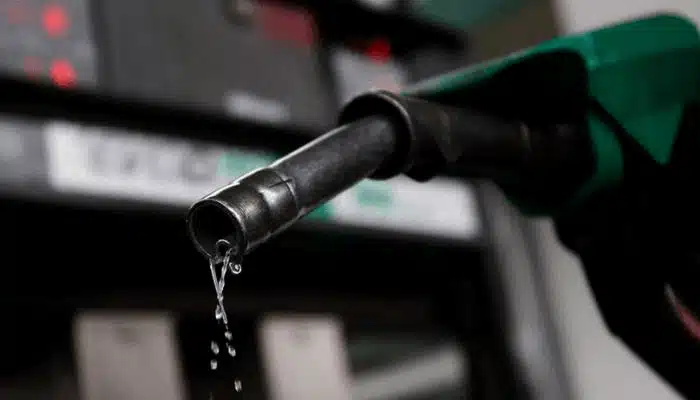
The Nigerian Midstream and Downstream Petroleum Regulatory Authority (NMDPRA) has come under scrutiny following allegations by petroleum marketers that the agency has been giving fuel import licences to a select group of companies.
The allegation has raised concerns about transparency and fair competition in Nigeria’s deregulated downstream petroleum sector.
Naijaonpoint reports that the issue was brought up during an interactive session organised by the House of Representatives Committee on Petroleum Resources (Downstream), where major stakeholders presented their concerns about the state of the petroleum industry.
Those who made presentations included the Depot and Petroleum Products Marketers Association of Nigeria (DAPPMAN), the Independent Petroleum Marketers Association of Nigeria (IPMAN) and the Major Energies Marketers Association of Nigeria.
At the centre of the controversy was an allegation by DAPPMAN that the same group of marketers repeatedly received fuel import licences in the first, second and third quarters of 2026.
The association said the development had sidelined other qualified operators who had the capacity to import petroleum products.
DAPPMAN Alleges Unfair Allocation
Presenting DAPPMAN’s memorandum, the association’s Executive Secretary, Olufemi Adewole, accused the NMDPRA of failing to ensure fairness in the allocation of import licences.
Adewole said the repeated allocation of licences to the same companies suggested that other qualified marketers were being denied the opportunity to participate in fuel importation.
“The same set of marketers received import allocations in the first, second and third quarters of 2026, as though other qualified operators do not exist. This is unacceptable, and we urge this committee to ensure greater transparency and fairness in future allocations,” he said.
He said the licensing process should be based on fairness and equal opportunity, especially as the Federal Government was promoting a deregulated downstream petroleum market.
According to DAPPMAN, allowing only a few companies to benefit from fuel import opportunities could weaken competition, discourage investment and create an uneven playing field in the sector.
DAPPMAN also raised concerns about the impact of the licensing system on petroleum depot owners across the country.
The association said data obtained from the NMDPRA showed that 72 of Nigeria’s 154 licensed petroleum depots recorded little or no trading activity in the past year.
It said the situation had left many depot operators facing declining revenues and increasing operational losses.
DAPPMAN stressed that although domestic refining should remain a priority for Nigeria, fuel imports should still be available as a backup in cases where local supply is affected.
The association said imports could help address shortages caused by refinery maintenance, transportation challenges or other unexpected disruptions in the petroleum supply chain.
Marketers Raise Concerns Over Port Charges
The association also complained about what it described as duplicated port charges.
DAPPMAN further questioned the continued billing of domestic petroleum transactions in US dollars despite the Federal Government’s directive discouraging foreign currency-denominated charges for local operations.
The association said such charges were adding to the cost of doing business in the downstream petroleum sector.
Reps To Probe NMDPRA
Responding to the concerns raised by the marketers, the Chairman of the House Committee on Petroleum Resources (Downstream), Hon. Ikenga Ugochinyere, assured stakeholders that the allegations would be thoroughly investigated.
He said officials of the NMDPRA would be invited to explain the criteria used in granting fuel import licences and to determine whether the process complied with the objectives of the Petroleum Industry Act.
“We have taken note of your concerns regarding the lopsided issuance of import licences. These questions will be raised when the NMDPRA appears before the committee to explain the basis upon which the allocations were made,” Ugochinyere said.
According to Daily Trust, an energy analyst, Rasheed Adeleke, said the concentration of fuel import opportunities in the hands of a few companies was against the spirit of deregulation.
He said the removal of fuel subsidy was expected to create an open and competitive market where qualified operators could compete fairly.
“The essence of deregulation of the downstream sector and the removal of fuel subsidy by the Federal Government is obviously lost if imports are concentrated on a few marketers and importers,” Adeleke said.
He warned that Nigeria had made progress in stabilising the downstream petroleum sector since the removal of fuel subsidy and urged the government to avoid policies that could weaken competition.
Adeleke also stressed the importance of maintaining a transparent regulatory system to sustain the confidence of local and foreign investors.
The Chief Executive Officer of the Centre for the Promotion of Private Enterprise, Dr Muda Yusuf, also called on the NMDPRA to make the process of issuing fuel import licences more transparent.
Yusuf said regulators had a responsibility to protect the interests of all stakeholders while ensuring that the sector remained open to healthy competition.
He said clear and transparent licensing procedures would boost confidence in the petroleum industry and reassure investors that regulatory decisions were based on objective standards rather than preferential treatment.
The CPPE boss urged the NMDPRA to adopt an inclusive system that would allow all qualified marketers who meet the necessary regulatory requirements to participate in fuel importation.
NMDPRA Defends Licensing Process
However, an official of the NMDPRA defended the agency’s licensing process.
Although the authority’s official spokesperson, George Ene-Ita, could not be reached for comments, a senior official, who spoke on condition of anonymity, said companies granted import licences had met the required regulatory conditions.
The official explained that licences were not issued arbitrarily but were based on specific performance indicators and operational requirements designed to protect the country’s fuel supply chain.
“We have some metrics these companies need to meet before they are given licences. The activities of Dangote Refinery show that the number of licences required is limited. The Authority has confidence in the marketers that continue to receive approvals because they have consistently met the required standards,” the official said.