Over 4,216 Candidates With Disabilities Gained Admission into Tertiary Institutions In Ten Years – Okebukola

0
No fewer than 4,216 candidates with various disabilities were able to gain admission into Nigerian tertiary institutions within the last decade.
This was largely facilitated by the Joint Admissions and Matriculation Board, JAMB Equal Opportunity Group (JEOG), established for that purpose ten years ago.
To date, an average of 53 per cent of the candidates are believed to have gained admission into universities, polytechnics and colleges of education across the country, annually.


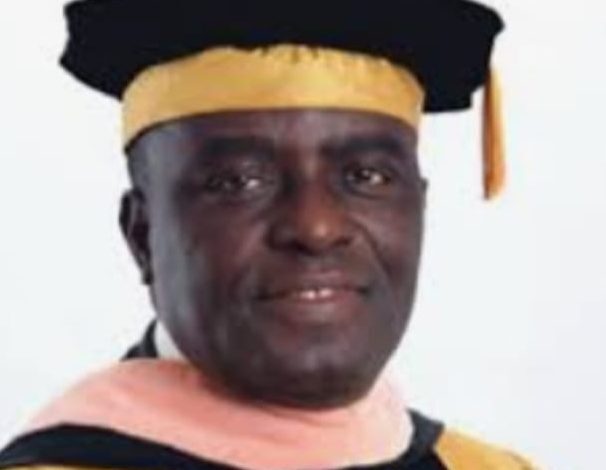
Chairman of JEOG, Emeritus Professor Peter Okebukola, made the revelation on Wednesday, while speaking with journalists on the sidelines of the 2026 JAMB Equal Opportunity Group National Stakeholder Engagement on Inclusivity and Higher Education in Abuja.
The event, organised to commemorate the group’s 10th anniversary, is focused on how Artificial Intelligence (AI) can be deployed to strengthen inclusive higher education in Nigeria.
According to Okebukola, “We are reviewing what we have achieved in the last 10 years and looking ahead. One of the major issues that will shape the future of higher education is Artificial Intelligence, and we are examining how AI can improve the efficiency of inclusivity in higher education”
He credited the former JAMB Registrar, Professor Is-haq Oloyede, for the initiative, saying it has continued to ensure that candidates with disabilities enjoy equal opportunities without compromising academic standards.
Outlining the impact so far, Okebukola said 4,216 candidates with different forms of disabilities, including visual impairment, autism, Down syndrome, albinism and other conditions, have participated in the initiative over the past decade.
He said despite their disabilities, beneficiaries sit for the same Unified Tertiary Matriculation Examination (UTME) as every other candidate.
“We do not lower standards for them. They answer the same questions as every other candidate, and I am continually amazed by how excellently they perform. Many of them are exceptionally brilliant,” he said.
The Emeritus Professor added that many of them excel in demanding disciplines, including Law and other professional courses.
“They study Law, Medicine and several other courses. They graduate successfully because they are highly talented and determined,” he noted.
Okebukola, who was once the Executive Secretary of the National Universities Commission, NUC, said institutions have continued to improve their capacity over the years.
“For 10 years they have been admitting these students and graduating them. If the institutions lacked the capacity, they would not have succeeded. We are, however, encouraging continuous improvement in teaching aids and support systems,” he said.
The event saw the unveiling of JEOG’s comprehensive manual designed to guide the management of underage students admitted into tertiary institutions.
According to him, the resource material was developed following JAMB’s concern over the social and emotional preparedness of exceptionally brilliant candidates below the age of 16 who gain admission into universities.