0
Torkwase Nyiekaa
The House of Representatives has intensified calls for stronger legislative and institutional measures to combat illegal mining and associated financial crimes, warning that the activities of criminal syndicates are undermining national security, depriving the country of critical revenue and frustrating efforts to diversify the economy through the solid minerals sector.
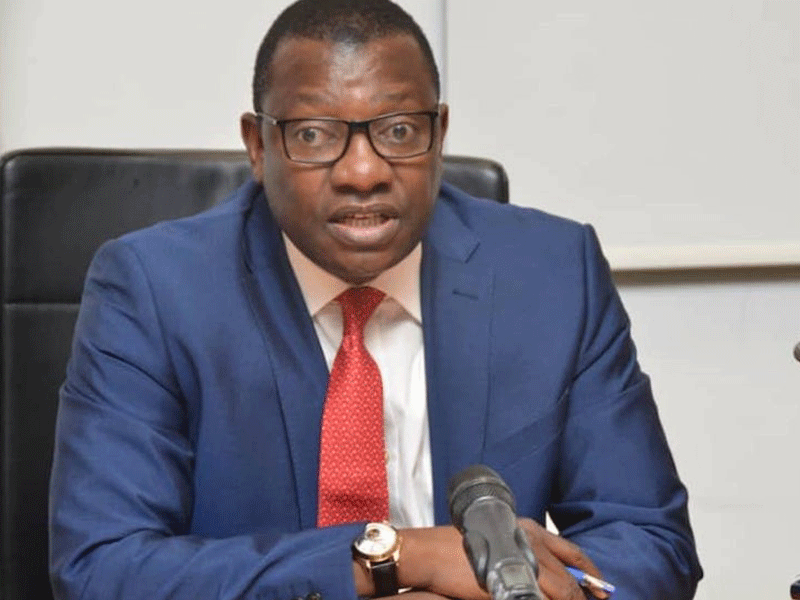
Chairman of the House Ad Hoc Committee on Mineral Exploitation, Security and Anti-Money Laundering, Hon. Sani Abdulraheem, made the call on Monday at a High-Level Stakeholders’ Workshop on Extractive Industry Governance in Abuja.
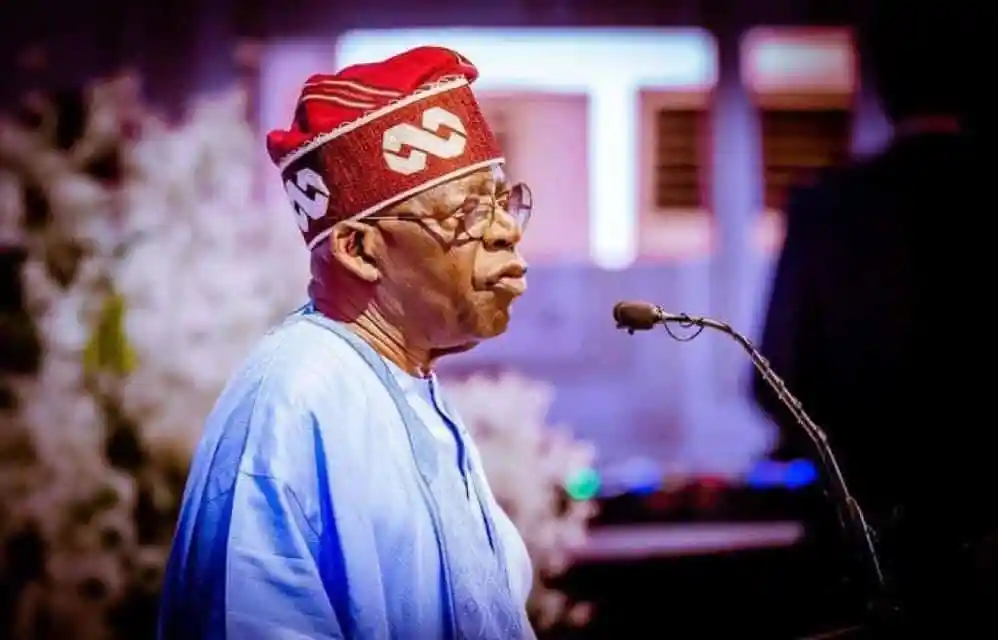
He said Nigeria’s vast deposits of solid minerals, including gold, lithium, tin, coal and tantalite, ought to be driving economic growth and improving the welfare of citizens, but noted that illegal mining, weak regulatory enforcement and illicit financial flows have continued to deny the country the full benefits of its natural resources.
“Nigeria is blessed. Few nations on earth carry the range and richness of mineral deposits that lie across our states—gold, lithium, tin, coal, tantalite, and many more. On paper, these resources should be transforming livelihoods, funding schools and hospitals, and strengthening our national economy. Yet, for too long, a troubling gap has persisted between the wealth in our ground and the prosperity in our communities,” Abdulraheem said.
He attributed the disconnect to the growing activities of illegal mining operators and the financial networks that sustain them.
“That gap has a name: illegal mining, weak enforcement, and the laundering of proceeds that should belong to the Nigerian people. It is a gap filled instead by criminal networks, by revenue leakages we can no longer afford to ignore, and by security threats that have, in some of our communities, turned mineral-rich land into contested and dangerous territory,” he added.
The lawmaker explained that the House constituted the Ad Hoc Committee to investigate the scale of illegal mineral exploitation across the country, trace the financial networks responsible for laundering proceeds from illicit mining, evaluate security arrangements in mining communities and review the adequacy of existing legal and regulatory frameworks governing the extractive sector.
According to him, the committee has already begun engagements with key institutions and has exercised its oversight powers where necessary to ensure accountability.
“In the course of our work, we have held sittings, engaged relevant agencies, and, where cooperation fell short of what the moment demands, we have not hesitated to issue summons. We do this not out of confrontation, but out of conviction because oversight without candour achieves nothing, and reform without accurate information is guesswork dressed as policy,” he said.
Abdulraheem maintained that tackling illegal mining requires a coordinated national response, arguing that the challenge extends beyond the mining sector to encompass security, financial regulation, governance and community development.
“What has become clear to us is this: no single agency, no single arm of government, and certainly, no single committee of this House can resolve this crisis alone. The illegal mining challenge sits at the intersection of law, security, finance, community livelihood, and governance,” he said.
He called for deeper collaboration among the Federal Ministry of Solid Minerals Development, the Nigeria Mining Cadastre Office, security agencies, the Nigerian Financial Intelligence Unit (NFIU), the Economic and Financial Crimes Commission (EFCC), state governments, traditional institutions, licensed mining companies and civil society organisations.
The committee chairman also underscored the importance of following financial trails to dismantle criminal enterprises operating within the mining sector.
“The financial trail is often where the truth is hardest to hide. Illicit proceeds do not vanish; they move through accounts, shell arrangements, and cross-border channels that can be traced with the right tools and the right political will,” he stated.
Assuring legitimate operators of the committee’s support, Abdulraheem said the investigation is intended to protect compliant investors and create a more transparent and competitive mining industry.
“Licensed and responsible mining operators are not the target of this exercise. Rather, you are our partners in demonstrating that mineral exploitation, done lawfully and transparently, can be a genuine engine of national development,” he said.
He disclosed that recommendations emerging from the stakeholders’ workshop would be incorporated into the committee’s final report to the House of Representatives, with a view to proposing lasting legislative, regulatory and administrative reforms.
“We are not here merely to catalogue problems we already know exist. We are here to identify concrete legislative, regulatory, security, and administrative solutions—the kind that can survive beyond this Committee’s tenure and outlast any single administration,” he said.
Pledging that the committee would carry out its assignment with fairness, transparency and diligence, Abdulraheem said the House remains committed to ensuring that Nigeria’s mineral wealth serves the broader public interest.
“The mandate before this Committee is significant, but it is also an opportunity to help write a new chapter in how Nigeria governs its mineral wealth—a chapter defined by transparency instead of concealment, by security instead of impunity, and by shared national benefit instead of illicit private gain,” he added.
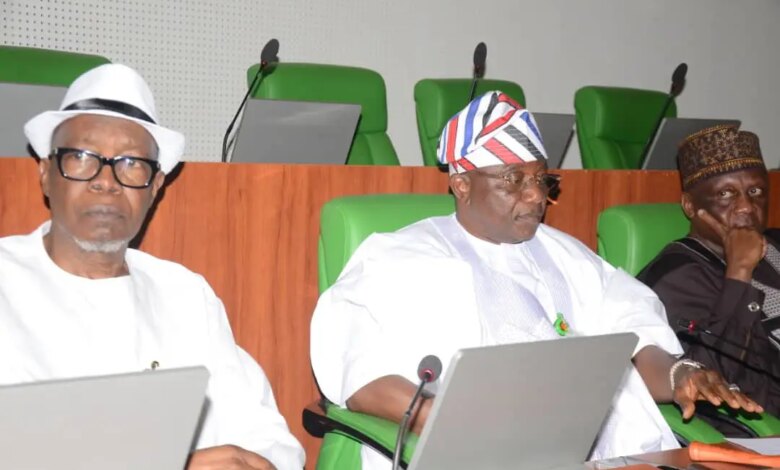
The workshop was declared open by Speaker of the House of Representatives, Rt. Hon. Tajudeen Abbas, who was represented by the House Leader, Prof. Julius Ihonvbere.
The Ad Hoc Committee on Mineral Exploitation, Security and Anti-Money Laundering was established by the House to investigate illegal mining activities, their links to insecurity and illicit financial flows, and to assess the effectiveness of existing regulatory and security frameworks in the solid minerals sector.
The committee’s work comes amid renewed efforts by the Federal Government to position solid minerals as a key pillar of economic diversification. Despite Nigeria’s abundant mineral resources, illegal mining has continued to fuel revenue losses, environmental degradation, community conflicts and organised criminal activities, highlighting the need for stronger governance and more effective enforcement across the extractive industry.