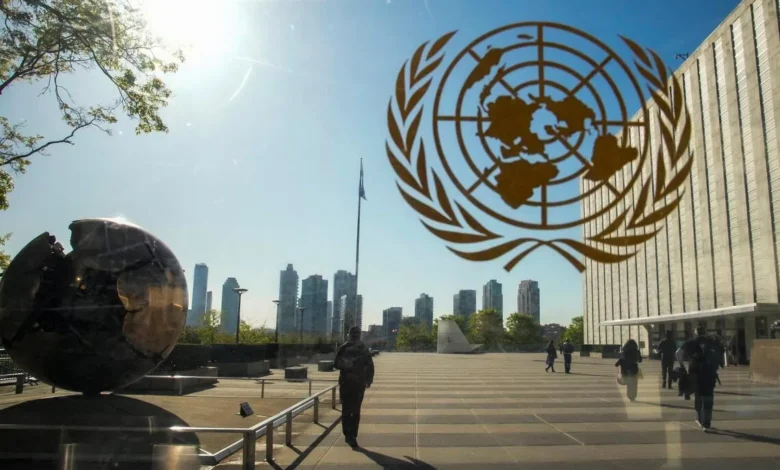
NEW YORK – The United Nations has only enough funds to operate through the end of August, according to the official in charge of its budget, as major contributors, including the US and China, have yet to pay what they owe in full.
“We don’t have cash beyond August,” the organisation’s controller, Chandramouli Ramanathan, told reporters on July 1.
“September, money is gone. We are waiting for collections to survive beyond September.”
Long strapped for cash, the world body is still waiting for complete payments for its 2026 budget from its two biggest donors: Washington and Beijing.
Unless its big donors step up, the UN will have to delay other payments to afford its High-Level Week, the marquee annual gathering of world leaders in New York.
“We are going to make the High-Level Week happen by scrounging around and stopping other payments,” Ramanathan said.
He added that he told member states “there should not be a High-Level Week because you haven’t funded us”.
The United States is meant to fund 22 per cent of the UN’s regular budget. While the Trump administration has paid a fraction of what it owes, it still has roughly US$2 billion (S$2.59 billion) in outstanding dues, including for past years.
Meanwhile, China paid the UN some of its dues, but Ramanathan said it still owes about US$430 million for the organisation’s regular budget.
He added that China usually pays in instalments and will likely pay a portion in the coming months.
The US has also promised payments soon.
UN Secretary-General Antonio Guterres warned at the beginning of 2026 that the organisation would run out of cash by July.
Carve-outs and reduced spending allowed the organisation to stretch funds through the end of the summer, Ramanathan said.
Guterres had also previously warned that a budget rule requiring the UN to return any unspent money from both its regular and peacekeeping budgets has made it especially difficult for the organisation to stay liquid.
The General Assembly voted on June 30 to change that rule during a four-year trial to give the body some breathing room. BLOOMBERG