July 8
Trump, speaking on the sidelines of a NATO summit, stated that the ceasefire was “over” while criticising Iranian leadership. The US also revoked a license allowing Iranian oil sales, raising fears that the war could ignite again.
The United States responded with air strikes on Iranian military targets, including missile and drone sites, coastal radars, and IRGC-linked facilities near the strait and in areas such as Bandar Abbas and Qeshm. New reports indicated around 90 targets hit in expanded operations.
Iran launched missiles and drones targeting US-associated sites in the Gulf, including bases in Bahrain and Kuwait. Air defences intercepted projectiles, with activity affecting Jordan as well. No major casualties were immediately confirmed on either side.


Further limited exchanges occurred in the subsequent days, with both sides accusing the other of bad faith. Shipping through Hormuz slowed dramatically, and oil prices rose. Mediators, including Oman, continued efforts, and Iran requested resumed talks, which the US agreed to while maintaining the ceasefire was terminated.
July 10
Trump threatened Iran with more strikes, saying he was responding to calls for his death during Khamenei’s funeral.
July 12
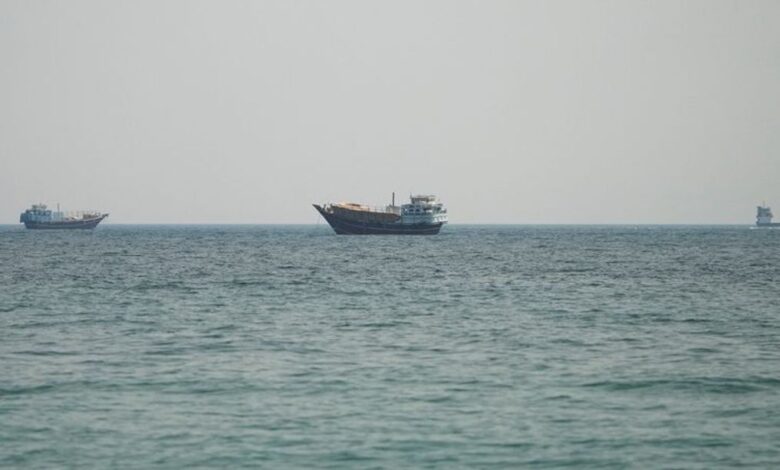
The US military said it hit over 140 targets in Iran, after an Iranian strike on a container ship in the strait left a crew member missing. Tehran said the strait was closed until calm is restored. The US said the strait remained open.
Related
Who violated the ceasefire first?
In this latest round, the US and its allies say Iran struck commercial shipping first, citing the attacks as the trigger for their response.
Iran disputes the US account and says Washington violated the ceasefire first through its military actions and shipping policies.
The core dispute remains control and safe passage through the Strait of Hormuz, a vital global energy artery.
On Monday, Iran said it was continuing talks with mediators from Qatar, Pakistan and Oman in an effort to prevent any further escalation in its war with the United States.
“The role of the mediators is to continue their efforts to prevent an escalation of tensions,” said Iranian foreign ministry spokesperson Esmaeil Baqaei.


