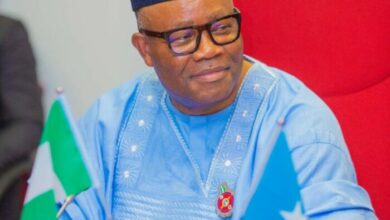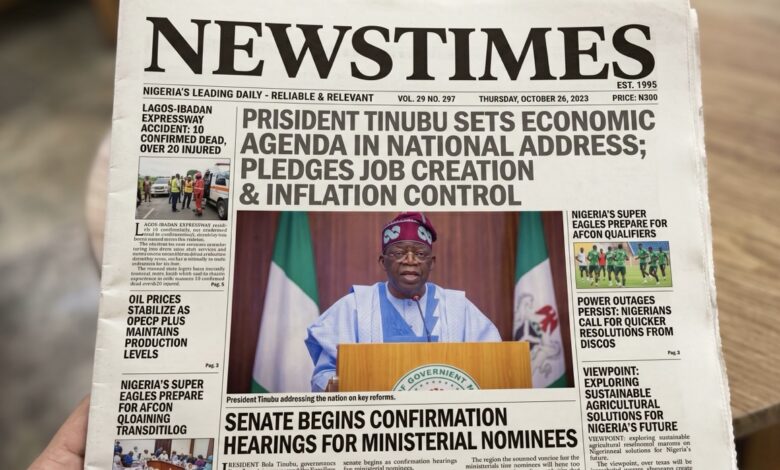
Former Vice President Atiku Abubakar, has challenged the federal government to investigate and prosecute him if it has evidence linking him to the alleged $16 billion power-sector expenditure during his time in government.
Atiku, the presidential candidate of the African Democratic Congress (ADC), also accused the President Bola Tinubu-led administration of recycling old allegations to divert public attention from questions surrounding the use of revenues generated since the removal of the petrol subsidy.
In a statement issued on Wednesday by his Senior Special Assistant on Public Communication, Phrank Shaibu, Atiku said the renewed allegations concerning power-sector projects, privatisation and public assets were an attempt to shift attention from the economic hardship confronting Nigerians.
He also challenged the federal government to account for the resources it had gained since the removal of the petrol subsidy, asking: “Where is the people’s money?”
Atiku said allegations against him had been raised repeatedly over the years without resulting in any prosecution, despite successive governments having access to the investigative machinery of the state.
“The National Assembly investigated the power projects. I was never invited to answer any allegation of wrongdoing.
“Yes, I chaired the National Council on Privatisation as vice president. But on the power project, I disagreed with its concept and did not preside over its implementation. The responsible minister did. The same applies to the Aluminium Smelter matter.
“I have repeatedly asked to be investigated. I left office in 2007 and have spent much of the period since then opposing governments in power. If there is evidence that I stole public money, why has no government produced it before a court?
“It is still not too late. Investigate me. Invite me. Produce the evidence. Prosecute me if you have a case. But propaganda cannot substitute for evidence,” the statement read in part.
The former vice president’s challenge comes amid an intensifying political confrontation between the opposition and the Federal Government over the state of the economy and the impact of the administration’s reforms.
Atiku has made the economic consequences of petrol subsidy removal a central part of his criticism of the Tinubu administration, arguing that Nigerians have endured substantial increases in petrol, transportation, food and other basic costs without seeing commensurate benefits from increased government revenues.
He said the renewed controversy over the power projects was politically motivated because his demand for greater transparency over the proceeds of subsidy removal had become uncomfortable for the administration.
“They removed subsidy from the poor and promised that the sacrifice would free resources for development. Nigerians accepted extraordinary pain on that promise.
“Today, petrol is more expensive, transportation is more expensive, food is more expensive and the purchasing power of the Nigerian worker has been devastated,” he added.
Atiku also questioned the government’s fiscal priorities, alleging that while ordinary Nigerians were being asked to bear the consequences of the reforms, powerful economic interests continued to benefit from fiscal incentives, waivers and concessions.
“Meanwhile, government revenues have increased, while fiscal incentives, waivers, tax credits and concessions continue to be available to powerful economic interests.
“So our question remains brutally simple: where is the people’s money?” he asked.
President Tinubu announced the removal of the petrol subsidy shortly after his inauguration in May 2023, ending the longstanding system through which the Federal Government subsidised the cost of petrol.
The administration defended the policy as necessary to reduce pressure on public finances and redirect resources towards infrastructure and social programmes.
The decision, however, triggered a sharp increase in petrol prices and contributed to higher transportation and living costs, making subsidy removal one of the most contentious economic policies of the Tinubu administration.