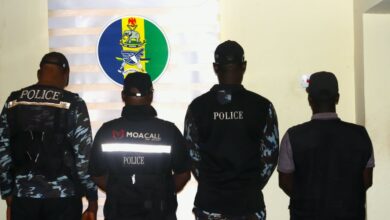
The Independent Corrupt Practices and Other Related Offences Commission (ICPC) has submitted its report to President Bola Tinubu following an investigation into the controversial Presidential Foreign Intervention Promotion Council (PFIPC), with the probe reportedly uncovering two additional fictitious government agencies allegedly used to facilitate fraudulent activities.
The development marks a new phase in one of Nigeria’s most significant public sector scandals this year, expanding an investigation that initially centred on the fake PFIPC into what authorities describe as a broader network of impersonation, forged government documents and institutional fraud.
President Tinubu ordered the investigation on 7 July 2026, directing the ICPC to conclude its work within 30 days and submit a comprehensive report. The Presidency said the PFIPC had never been created by the Federal Government and had no legal basis under any law, executive order or presidential approval.
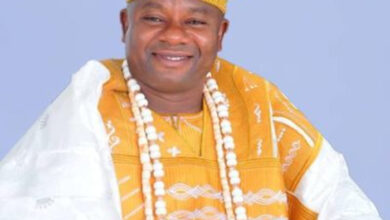
According to the Presidency, the investigation was launched after Adeniyi Adeyemi Matthew allegedly presented himself as the Director-General of the fictitious council while claiming to hold a presidential appointment. Authorities also alleged that forged appointment letters and other official documents were used to seek recognition from government institutions and diplomatic missions, while multiple bank accounts were reportedly opened in the names of non-existent government agencies.

READ RELATED NEWS HERE:
‘Fake agency’ row deepens as Adeyemi links more MDAs to PFIPC
ADC insists on independent judicial panel over PFIPC scandal
Atiku raises alarm over suspicious payment into his bank account
Atiku fires back at Obasanjo: ‘I fed, clothed you after prison’
Sources familiar with the latest report say the ICPC uncovered two more fake agencies during its investigation, suggesting that the alleged scheme extended beyond the PFIPC. Investigators reportedly examined how the fictitious bodies obtained official-looking documents, interacted with public institutions and gained an appearance of legitimacy despite lacking any legal status.
The commission is also understood to have investigated the possible involvement of public officials, financial institutions and private individuals who may have knowingly or unknowingly facilitated the operation of the fake organisations. The report reportedly includes recommendations aimed at tightening government procedures to prevent similar cases in the future.
Former Vice President Atiku Abubakar has reacted to the submission of the report, maintaining his earlier position that the investigation should not rely solely on an anti-corruption agency reporting directly to the executive.
Atiku argued that only an independent commission of inquiry comprising respected members of civil society, the Nigerian Bar Association and representatives of opposition parties could ensure public confidence in the outcome of the investigation. He maintained that Nigerians deserve complete transparency regarding how a fictitious agency allegedly secured official documents, operated from government premises and gained access to public institutions.
In an earlier statement issued through his media aide, Phrank Shaibu, Atiku said the Presidency’s decision to order an ICPC investigation effectively acknowledged that previous investigations had failed to address key questions surrounding the scandal. He insisted that the inquiry should establish the full chain of responsibility and identify every individual involved, regardless of political affiliation.
The PFIPC controversy first attracted national attention after allegations emerged that the non-existent body had been allocated office space within the Federal Secretariat in Abuja and appeared in official government processes despite having no lawful existence. The revelations raised serious concerns about weaknesses in administrative oversight and document verification within federal institutions.
During the investigation, the ICPC questioned several individuals, including Chief of Staff to the President, Femi Gbajabiamila, after allegations surfaced that his office had been linked to forged appointment documents. Gbajabiamila has consistently denied any wrongdoing, and his legal representatives said he honoured the commission’s invitation and fully cooperated with investigators.
The Presidency has repeatedly stressed that President Tinubu ordered the probe to protect the integrity of government institutions and ensure that anyone found culpable is prosecuted in accordance with the law. It also directed all ministries, departments and agencies to cooperate fully with the ICPC throughout the investigation.
With the ICPC report now before the President, attention is expected to shift to the Federal Government’s next steps. Legal experts and anti-corruption advocates say the implementation of the report’s recommendations and any prosecutions that follow will be closely watched as a test of the administration’s commitment to accountability, institutional reform and the protection of public confidence in Nigeria’s governance system.