In a time of rising insecurity, economic strain, and social tension, structured engagement with Christian and Muslim communities is no longer optional it is essential for national unity and stability.
In a nation as diverse as Nigeria defined by its rich tapestry of religions and ethnic identities the appointment of Senior Special Assistants (SSAs) to the President on Christian and Muslim Religious Affairs is far more than a symbolic gesture. At this critical juncture in the country’s history, it is a strategic imperative for national stability and inclusive governance.
Such appointments would establish structured and credible channels of engagement between government and faith communities — arguably the most influential grassroots institutions in Nigeria. These advisers would serve not merely as intermediaries, but as facilitators of trust, promoters of peaceful coexistence, and providers of informed counsel on policies touching on religion, security, and social cohesion.
Nigeria is currently navigating a complex web of challenges, including insecurity, economic hardship, and deepening social tensions. In times like these, governance must go beyond policy pronouncements; it must actively build trust and foster dialogue. This is where religious engagement becomes indispensable.
Dedicated presidential aides on Christian and Muslim affairs can serve as vital bridges between the state and the people. They would help facilitate meaningful interfaith dialogue, prevent and mediate conflicts with religious undertones, and mobilize faith-based institutions to support government initiatives in humanitarian response, peacebuilding, and national development.
As one senior cleric aptly observed, “Religious leaders command moral authority and have access to communities where government presence is limited. Engaging them through credible advisers strengthens public trust and reinforces the assurance that every Nigerian, regardless of faith, matters.”
Across the country, churches, mosques, and other religious institutions play central roles in everyday life. Beyond spiritual guidance, they operate schools, healthcare facilities, and welfare programmes, while also shaping public attitudes on ethics, justice, and communal responsibility. Harnessing this influence through competent and widely respected SSAs could significantly enhance national cohesion and development outcomes.
The responsibilities of these advisers would include advising the President on policies with religious and social implications, facilitating interfaith dialogue to promote tolerance and unity, mobilizing faith communities in support of government programmes on health, education, peace, and poverty alleviation, and serving as early warning mechanisms to detect and address tensions before they escalate into crises.
Appointing credible and capable SSAs on Christian and Muslim Religious Affairs would therefore represent a bold and commendable step toward deepening interfaith harmony and strengthening national unity. It would signal a commitment to inclusive governance — one that recognizes and engages all major constituencies in the pursuit of national progress.
As Nigeria strives toward peace, justice, and sustainable development, it must leverage every available asset for nation-building — including the moral voice and grassroots reach of religion. The path forward requires collaboration, mutual respect, and leadership that reflects the diversity of the nation.
Now is the time to act decisively. By institutionalizing meaningful engagement with faith communities, Nigeria can reinforce its commitment to unity, stability, and shared prosperity for all its citizens.
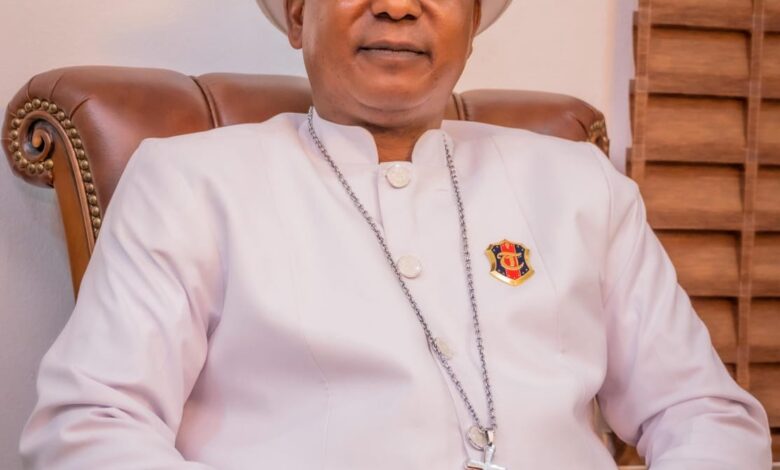
Rev. Dr. Simon A.S. Dolly-Kif
Secretary General, Northern Christian Religious Leaders Assembly (NOCRELA)