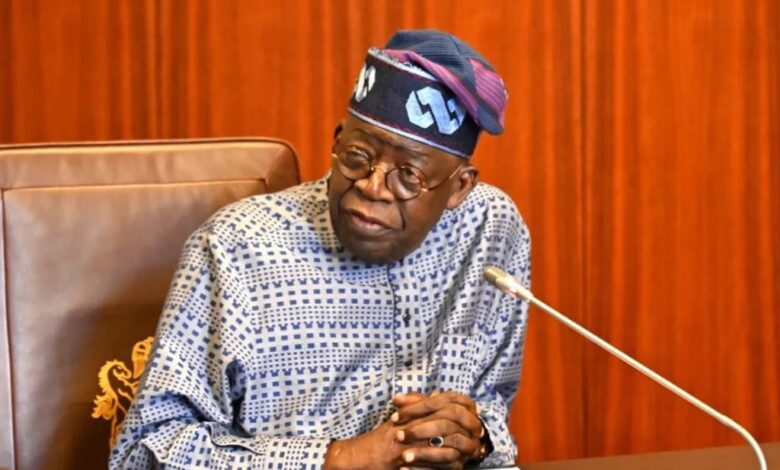
The African Democratic Congress (ADC) has accused President Bola Tinubu of only responding to electoral pressure with the federal government’s renewed push to expand compressed natural gas (CNG)-powered transportation as part of measures to reduce transport fares across the country.
The opposition party described the move as a “political gimmick” coming three years after the removal of the petrol subsidy and the subsequent increase in transportation costs.

The ADC’s position followed an emergency meeting between President Tinubu and state governors on measures to reduce transportation costs.
In a statement issued yesterday by its national publicity secretary, Bolaji Abdullahi, the party alleged that the government’s renewed focus on CNG transportation was a reaction to growing political pressure and the opposition’s proposal for targeted production subsidies.
The party questioned why CNG-powered buses were not rapidly deployed when Nigerians began experiencing sharp increases in transport fares following the removal of the petrol subsidy.
“If CNG buses can provide cheaper transportation today, why were they not rapidly deployed when Nigerians first began to pay the heavy price for their wrong-headed subsidy removal policy?” Abdullahi asked.
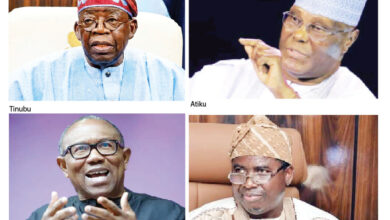
The ADC said the timing of the government’s intervention was significant, coming shortly after its presidential candidate, Atiku Abubakar, placed targeted subsidies and the rising cost of living at the centre of the national political debate.
“Why did it take Atiku’s subsidy plan for this government to suddenly start running helter-skelter and to realise the need to bring down the cost of transportation?” Abdullahi asked.
The party said Nigerians would distinguish between measures genuinely aimed at addressing economic hardship and policies introduced in response to electoral pressure.
It said Nigerians had complained about high transport fares, rising food prices and declining purchasing power for three years, alleging that the government had only begun treating transportation costs as an emergency because the 2027 elections were approaching.
The ADC further alleged that the administration had the capacity to introduce measures to cushion the impact of its economic policies earlier but failed to do so.
“No doubt, if these interventions are possible now, they were possible. The difference is that then, President Tinubu did not think it was necessary to support suffering citizens until now when he needs their votes,” the party said.
The opposition party also accused the administration of failing to adequately address insecurity, unemployment and the rising cost of living.
It maintained that the government’s current interventions were driven more by political considerations ahead of the 2027 general elections than by a genuine response to the economic difficulties facing Nigerians.