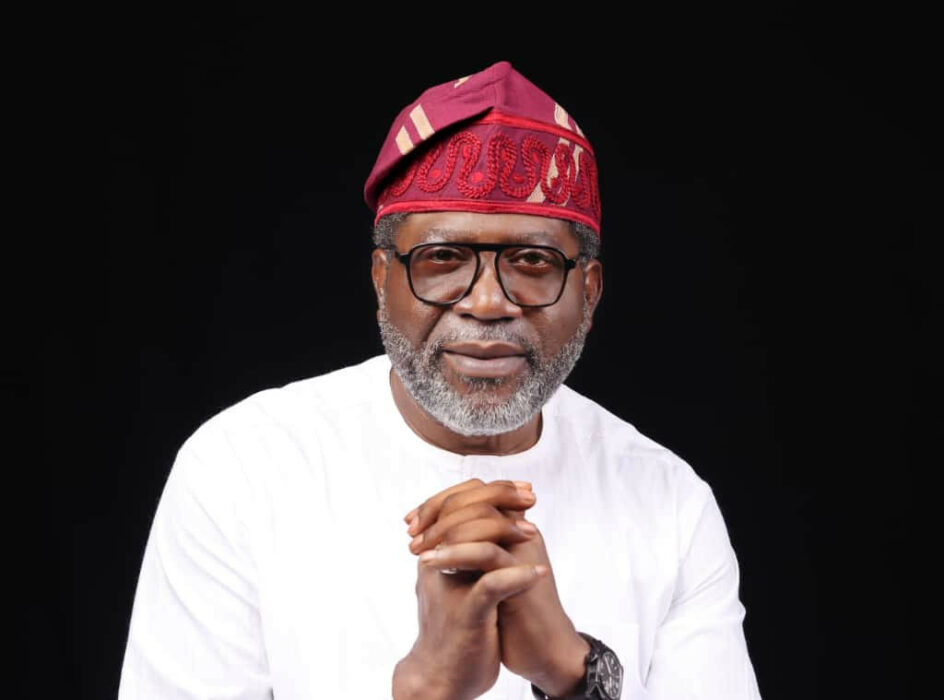
In an era when citizens often lament the disconnect between governmental promises and tangible results, Jigawa State in Nigeria’s Northwest region appears to be defying the odds. It has recently been ranked among the top performers in good governance, transparency, and public accountability, a feat that has sparked national intrigue and set a new benchmark for sub-national administrations.
According to the 2026 State Performance Index (SPI) assessment conducted by Phillips Consulting (PCL), Jigawa secured the position of the second-best-performing state among Nigeria’s 36 states. The report specifically highlighted the state’s growing reputation for prudent fiscal management, institutional transparency, and effective public service delivery.
However, for observers who have closely monitored the state’s trajectory, this recognition was neither accidental nor coincidental. Rather, it is the culmination of a deliberate, disciplined, and selfless leadership ethos championed by Governor Malam Umar Namadi over the past three years.
When Governor Namadi assumed office, the narrative surrounding Jigawa was one of potential rather than performance. Today, that potential has been translated into verifiable results. The Phillips Consulting report provides empirical validation of a transformation visible across all sectors of the state.
Speaking on the significance of the ranking, governance analysts point to a triad of factors that distinguish the Namadi administration: fiscal discipline, policy continuity, and citizen-centric engagement.
Governor Namadi anchored his administration on the ambitious 12-Point Agenda, a comprehensive development blueprint designed to unlock the state’s vast potential through strategic investments in agriculture, education, healthcare, infrastructure, industrialisation, manpower development, technology, social protection, security, and economic diversification, with the ultimate goal of making the state prosperous and great.
Education, which remains the cornerstone of sustainable development, received considerable attention. The administration continues to invest in school infrastructure, teacher development, digital learning initiatives, and scholarship programmes designed to prepare Jigawa’s young population for the challenges and opportunities of the twenty-first century.
Hundreds of new classrooms have been built and renovated; thousands of seats, school furniture, laboratory equipment, books, and other learning materials have been provided for students. Over 8,000 teachers and lecturers were recruited, sponsored for training, and supported in advancing their education.
A new university was established, student scholarships were increased by over 150%, public participation and school monitoring were enhanced to improve learning outcomes at all levels.
Agriculture, identified as the mainstay of the state’s economy, has been repositioned and transformed into a modern business through various interventions and projects, including the expansion and creation of new irrigation facilities. An agricultural mechanisation programme was implemented, under which over 400 tractors, 70 combined harvesters, and thousands of other farm implements were purchased. Youths were sent to China for mechanical training to support the agricultural mechanisation policy.
Civil servant agro-loans and other interventions empowered thousands of farmers to expand their production.
These efforts have made Jigawa a leading state in rice, sesame, and herbicide production in Nigeria. Both crop and livestock production received extensive support, including the recruitment of over 1,000 agricultural extension workers to disseminate new farming techniques to farmers across the state.
One of the defining features of the Namadi administration has been its unwavering commitment to inclusive governance. Under this approach, the government introduced the Government-Citizen Engagement Programme, popularly known as Gwamnati da Jama’a, to bring governance closer to the people.
The initiative has strengthened transparency, accountability, and direct interaction between elected officials and citizens, creating a platform where government policies, projects, and programmes are openly discussed while citizens freely express their concerns, expectations, and demands.
This approach has significantly enhanced public trust and reinforced the administration’s belief that development is meaningful only when citizens are active participants in the governance process.
At the heart of Jigawa’s success is a zero-tolerance policy for financial recklessness. The administration has institutionalised budgeting processes that are not only participatory but also strictly adhered to. By prioritising the completion of existing projects over the initiation of new, politically motivated ones, the government has maximised the impact of every naira spent.
The state’s internally generated revenue has improved by over 200%. Public expenditures have been guided by the Public Procurement Act, promoting accountability and transparency in public service delivery.
Over 500,000 youths, women, and other businesspeople have been empowered through skills training grants and loan facilities to improve their enterprises, create jobs, reduce poverty, and drive growth and development.
Twenty-one out of 23 inherited roads, covering over 400 kilometres, were completed, while 41 other road projects covering more than 900 kilometres were awarded and are currently at various stages of completion, with some already commissioned.
Jigawa has continued to maintain its reputation as one of the most peaceful states in the country, with sustained investment in logistics, intelligence gathering, and community policing, strengthening efforts to safeguard lives and property. In the health sector, over 2,000 health workers, including doctors and nurses, were recruited.