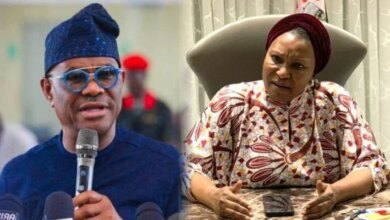
Nigeria’s National Security Adviser, Nuhu Ribadu, is meeting senior United States officials in Washington as Nigeria-US security cooperation comes under renewed focus. The talks are important for Nigerians because the country continues to face terrorism, banditry, kidnapping and other security threats, although neither government has announced that a new agreement will emerge from the meeting.
Ribadu’s engagement with senior US officials comes as Abuja seeks international support to strengthen its response to insecurity.
The meeting also highlights the continuing strategic relationship between Nigeria and the United States at a time of wider instability across West Africa and the Sahel.
Details of the discussions have not been publicly released, meaning claims about specific agreements or commitments should be treated cautiously until either government makes an official announcement.

Nigeria-US security cooperation in focus
Ribadu occupies one of the most influential security positions in President Bola Tinubu’s administration.
As National Security Adviser, he coordinates national security policy and works with the military, intelligence agencies, police and other institutions responsible for protecting the country.
His Washington engagement is therefore significant even without a publicly disclosed agenda.
Nigeria has faced several forms of insecurity in recent years. Boko Haram and Islamic State-linked militants remain active in parts of the north-east, while armed groups commonly described as bandits have carried out kidnappings and attacks across north-western and north-central states.
The country is also dealing with oil theft, organised crime and security threats affecting communities and businesses.
These problems have made international security partnerships increasingly important.
The United States has maintained defence and security relations with Nigeria through areas including training, intelligence cooperation and counter-terrorism assistance.
However, cooperation between the two countries does not mean Washington controls Nigeria’s security operations. Operational decisions remain the responsibility of Nigerian authorities.
Related news
Regional instability adds urgency
The wider security situation across the Sahel has also changed significantly.
Military coups, political instability and the activities of extremist organisations in neighbouring countries have created concerns that insecurity could spread further across borders.
Nigeria shares borders with Niger, Chad, Cameroon and Benin, making regional security particularly important to Abuja.
Ribadu’s Washington discussions therefore come at a time when Nigeria is attempting to strengthen both domestic security operations and international partnerships.
The talks may also provide an opportunity for Nigerian officials to explain the government’s security priorities directly to senior American policymakers.
Any concrete outcome, however, should be judged on official announcements rather than speculation surrounding the meeting.
For Nigerians, the larger question is whether stronger international cooperation can produce measurable improvements at home, particularly in communities affected by kidnapping, terrorism and armed violence.
What readers should know: Ribadu’s Washington engagement signals continued Nigeria-US security cooperation, but Nigerians should not assume that a new security agreement has been reached unless Abuja or Washington formally announces one.