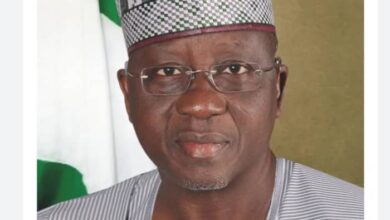
The Chairman of the Society of Petroleum Engineers (SPE) Nigeria Council, Francis Nwaochei, has tasked energy journalists to strengthen their technical understanding of the petroleum industry to improve the quality, accuracy and credibility of reporting on Nigeria’s evolving energy sector.
Nwaochei made the call while delivering his welcome address at the Executive Masterclass on Energy Journalism, themed: “Engineering the Narrative: Why Technical Knowledge Matters in Energy Journalism,” held in Lagos.

The event, organised by the SPE Nigeria Council in partnership with Sequest Upstream Company Ltd, convened journalists, corporate communications professionals, engineers, regulators and industry experts to bridge the knowledge gap between technical practitioners and the media.
Nwaochei described the Masterclass as a timely intervention designed to enhance public understanding of Nigeria’s energy industry through informed and responsible journalism.
He noted that news reports on the energy sector significantly influence public perception, investor confidence and policy discussions, stressing that journalists have a critical responsibility to ensure their reports are factual, balanced and contextual.
“Our theme speaks directly to the role that credible journalism plays in shaping public understanding of Nigeria’s energy industry,” he said. “The stories that appear in our newspapers, on television, online platforms and across social media influence public perception, investor confidence and even policy conversations. That is why accuracy matters.”
According to him, Nigeria’s energy landscape has become increasingly complex, extending beyond crude oil production to include natural gas development, energy security, carbon management, digital technologies, infrastructure expansion, financing, regulatory reforms and the transition to a lower-carbon economy.
He explained that the objective of the Masterclass was not to transform journalists into petroleum engineers but to equip them with sufficient technical understanding to ask informed questions, conduct due diligence and provide audiences with well-researched and accurate reports.
Nwaochei underscored the importance of understanding industry terminology and technical distinctions, warning that misinterpreting production figures, reserve estimates, investment announcements or project milestones could result in misleading reports.
He encouraged journalists to interrogate industry data by asking critical questions about what specific figures represent, the evidence supporting claims, project implementation stages and regulatory approvals before publishing stories.
“Those simple questions can make the difference between a good story and a truly insightful one,” he remarked.
He said participants would benefit from expert sessions covering production data, reserves, investments, project development, regulatory processes and emerging technologies, including Artificial Intelligence, digital twins and data analytics, all aimed at improving the quality of energy reporting.
Beyond the responsibility of journalists, Nwaochei also challenged engineers and other industry professionals to communicate technical information more clearly and accessibly.
“We must explain technical concepts in language that is accessible without compromising accuracy. We should be open to questions and recognise that informed journalism strengthens, rather than weakens, our industry,” he stated.
He emphasised that professional journalism and professional engineering should complement each other, with journalists asking difficult but necessary questions and engineers providing factual, transparent answers to foster greater public confidence in the energy sector.
Nwaochei noted that the initiative aligns with SPE’s mission of advancing technical knowledge, promoting professional excellence and sharing expertise for societal benefit.
He said bringing engineers, regulators, communicators and journalists together would deepen understanding, encourage knowledge exchange and build lasting professional relationships capable of improving public discourse on energy issues.
Calling for a more balanced national conversation on the industry, he urged the media to present Nigeria’s energy story with fairness, evidence and context.
“Ultimately, Nigeria deserves an energy narrative that is both ambitious and accurate. We should celebrate our achievements, acknowledge our challenges, explain our opportunities and report our progress with fairness and context. Credibility is built not by sensational headlines, but by facts, evidence and responsible journalism,” he said.
Nwaochei encouraged participants to engage actively throughout the Masterclass by asking questions, challenging assumptions respectfully and seeking clarification where necessary.