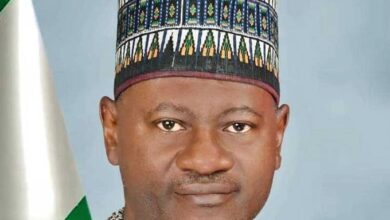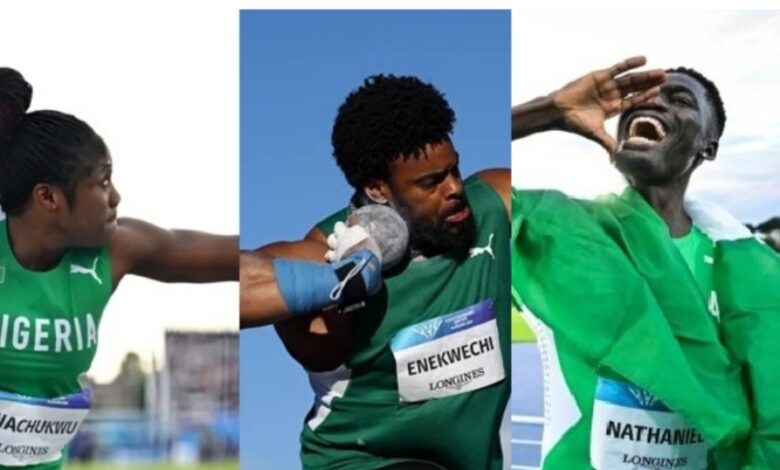
President Bola Tinubu has promised increased investment in Nigeria’s sports sector following Team Nigeria’s strongest Commonwealth Games performance in recent years, saying the country’s showing at the 2026 edition justifies renewed efforts to strengthen athlete development and sporting infrastructure.
The President’s pledge came after Nigeria concluded the Games with 24 medals, comprising 10 gold, seven silver, and seven bronze, to finish seventh overall and emerge as Africa’s highest-ranked nation in the competition.
In a statement issued on Tuesday by his Special Adviser on Information and Strategy, Bayo Onanuga, Tinubu congratulated the athletes and officials, describing their performance as a reflection of discipline, resilience, and national pride.
He asserted that the success achieved at the Games reinforces the importance of sustained investment in sports, not only as a platform for international recognition but also as a tool for youth development and national cohesion.
READ RELATED NEWS UPDATES
Tinubu assures Nigeria ready to host Africa’s first Commonwealth Games in 2030
Team Nigeria’s Athletes storm Into 100m semis as NSC Boss predicts Seven gold medals
Nigeria Fails to Secure Medals at Paris 2024 Olympics Amid Widespread Criticism
Tinubu said, “Whether on the podium or through courageous performances in the competition, every member of Team Nigeria has represented our nation with honour, dignity and pride.”
The President also expressed appreciation to coaches, technical officials, medical personnel, administrators, and support staff, noting that the achievements recorded at the Games is indicative of collective effort rather than the work of athletes alone.
He assured Nigerians that the Federal Government would continue to prioritise sports development by strengthening institutions responsible for talent discovery and athlete preparation.
Tinubu said, “My administration remains steadfast in its resolve to invest in sports development, strengthen our sporting institutions, improve training facilities, and create greater opportunities for our talented athletes to excel on the continental and global stage.”
The recently concluded Commonwealth Games performance is expected to strengthen the need for increased sports budgetary support, particularly as attention gradually shifts towards future continental championships, the Olympic Games, and other global sporting events.
Tinubu described Team Nigeria’s medal haul as evidence of hard work and perseverance. He expressed confidence that the experience gained during the Games would serve as a springboard for greater achievements in subsequent competitions.
According to him, the athletes’ exploits should also inspire younger Nigerians to embrace discipline, commitment, and patriotic service through sports.
Nigeria’s seventh-place finish represents one of the country’s most successful outings in Commonwealth Games history. Apart from the impressive medal count, the performance reaffirmed the country’s status as one of Africa’s leading sporting nations across athletics and other disciplines.
The President also commended the Nigeria Olympic Committee and the National Sports Commission for coordinating the country’s participation and supporting athletes throughout the competition.
Their efforts, he said, contributed significantly to Nigeria’s strong performance and demonstrated the value of institutional collaboration in elite sports development.
While Tinubu did not disclose specific funding plans or timelines for implementing the promised reforms in the statement, his remarks signal that sports development will always be on the administration’s policy agenda after the Commonwealth Games.
However, the real measure of the pledge will lie beyond post-competition commendations. Meanwhile, Nigeria’s recurring success despite inadequate facilities reveals the determination of its athletes rather than the strength of its sporting system.
The challenge now is to translate presidential assurances into sustained investment that improves training infrastructure, expands grassroots talent development, and provides athletes with the support needed to compete consistently at the highest international level.
If realised, such reforms could help convert Nigeria’s periodic sporting successes into a more durable legacy capable of producing champions across multiple generations, while reinforcing the country’s position as one of Africa’s foremost sporting powers.