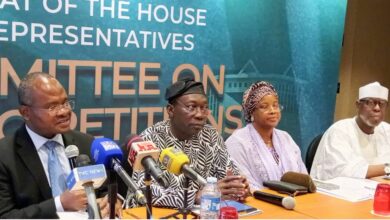
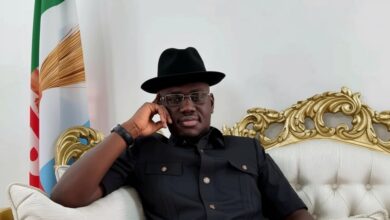
President Bola Tinubu and members of the Catholic Bishops’ Conference of Nigeria left a closed door meeting at the Presidential Villa in Abuja without reaching common ground after the bishops presented what they said was the true picture of Nigeria’s worsening economic and social conditions.
Archbishop Emeritus of the Catholic Archdiocese of Abuja, John Cardinal Onaiyekan, made this known on Friday on an ARISE Television programme.
READ RELATED NEWS
Tinubu to Catholic Bishops: We must endure reforms to secure Nigeria’s future
Catholic Bishop donates 93 wheelchairs to PWDs at Adamawa, promises more
Vatican confirms Africa tour as catholicism surges on continent
Keyamo credits Tinubu for rise in local airlines
Kenneth Okonkwo: Tinubu should resign instead of seeking re-election in 2027
He said the President rejected the bishops’ assessment and defended his government’s economic policies, making the disagreement the defining outcome of the meeting.
The meeting gained public interest after Onaiyekan gave details of what happened behind closed doors.

His account showed that the discussion was not a routine engagement between religious leaders and the President, but a direct exchange on the condition of the country and the effect of government policies on ordinary Nigerians.
The cleric also spoke about the atmosphere inside the meeting room and why the bishops believed it was necessary to present their views without softening their message.
Bishops and President left with different positions
Onaiyekan said he was not surprised that President Tinubu did not appear pleased with the presentation made by the bishops.
“You asked me, how did I see the face of the President in reaction? I was not surprised that he was not looking very happy. Not even his colleagues who were there. We knew that this is different from the kind of statements that our President keeps receiving from all kinds of people.”
He said the bishops believed some people close to the President were presenting an overly positive picture of the country.
He explained that the bishops considered it their responsibility to present what they believed was the actual situation facing Nigerians instead of giving favourable reports.
Onaiyekan said the meeting ended with both parties fully aware that neither side had accepted the other’s position.
“And you can see his reply. We left that hall, both sides, knowing that we said what we had to say. He said what he had to say.”
Cleric defends blunt message on economy
Onaiyekan said the condition of the country did not permit a gentle conversation with the nation’s leader.
“When the nation is bleeding, you can’t expect a polite meeting with the head of state. We need to let him know.”
He said the bishops spoke about the effect of the economy on poor Nigerians, but President Tinubu insisted the country was not in crisis and maintained that the economy was performing well.
“And his reply is that the nation is not bleeding. We told him our economy is not helping our poor people. He told us the economy is doing fine.”
Onaiyekan also said the President openly rejected the issues presented by the bishops.
“Practically speaking, he told us quite clearly that he did not agree with us. Again, I said, we’re not surprised. We didn’t expect him to agree with us. We have done our duty. We have delivered our message.”
Even with that disagreement, the Archbishop Emeritus said he still believed the points made by the bishops could eventually reach the President through people around him.
For More News Details, Visit the New Daily Prime.