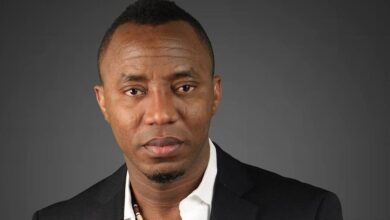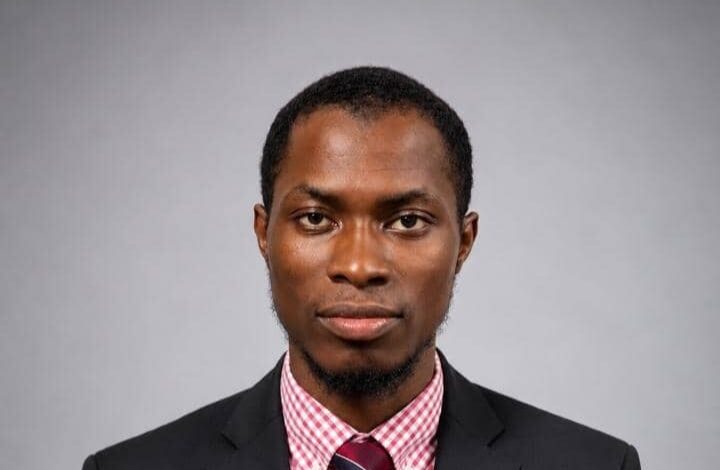
As political parties and their candidates prepare for the 2027 elections, Medical Laboratory Scientist and Health Communicator, Ibraheem Olasunkanmi Qoseem, has challenged politicians to stop presenting “improved healthcare” as a campaign promise without explaining how they intend to achieve it.
Qoseem said Nigerians had heard the pledge too many times and should now demand specific targets, funding commitments, and accountability mechanisms from politicians seeking their votes.
In an opinion article, Qoseem described “I will improve healthcare” as a politically attractive but deliberately vague expression that allows candidates to make reassuring promises without providing measurable obligations.
According to him, the eighth election cycle since Nigeria’s return to democracy presents an opportunity for voters to demand greater precision from political actors at the national, state, and local levels.

“Nigerians deserve to know what, how, what health priorities you will focus on, and how we can hold you accountable when they are not fulfilled,” he wrote.
Qoseem criticised what he described as Nigeria’s charity-dependent approach to healthcare, where administrations launch free medical outreaches, construct or renovate facilities, and rely heavily on support from international organisations.
He cited the World Health Organisation (WHO), UNICEF, and USAID among organisations that have provided support. He then questioned the sustainability of a system that appears heavily dependent on external intervention.
“Once elected, they begin with free medical outreaches. Almost all their budgets will go for projects. Then they await international donations,” he said.
Qoseem also questioned Nigeria’s record on health financing; he recalled the 2001 declaration that 15 per cent of annual budgets should be allocated to health.
He said actual allocations had since averaged between 5.3 and seven per cent, while suggesting that even the approved amounts were not always fully committed to their intended purposes.
Rather than making hospital construction and renovation the centrepiece of health policy, he proposed measurable questions that candidates should answer before receiving voters’ mandate.
Among them, he asked how many primary healthcare centres would become fully functional, what targets would be adopted to reduce maternal, newborn, and child deaths, and how much families would be expected to pay from their own resources when they seek treatment.
He also demanded clarity on the recruitment, deployment and retention of health workers, as well as strategies for preventing shortages of essential medicines.
Qoseem highlighted the financial burden carried by households. He stated that about 70 per cent of treatment spending comes directly from Nigerians’ pockets.
He said this burden, alongside the country’s growing health challenges, should make voters more demanding during the 2027 political season.
According to him, the shortcomings of previous administrations cannot be excused by the presence or absence of international donors, particularly because serious healthcare deficiencies persisted even when major sources of external assistance were available.
Qoseem therefore called for a shift from campaign optics to clearly defined health policies that can be measured after elections.
“People are politically and democratically aware. Nigerians want solutions, not optics,” he wrote.
He said candidates should present feasible programmes, identifiable outcomes, and accountability structures that would enable citizens to assess whether their promises had translated into tangible improvements.
From Qoseem’s viewpoint, the central question in 2027 should not be whether a politician promises to “improve healthcare”, but what exactly will change, how much will it cost, when will it happen, and how will Nigerians measure the result?
READ RELATED NEWS UPDATES
Kidney Failure: Med Lab Scientist raises alarm over rising burden on Nigerians
Lab Scientist raises alarm over rising consumption of local gin in Ilorin
LASHMA: Lagos health insurance will fail without public trust