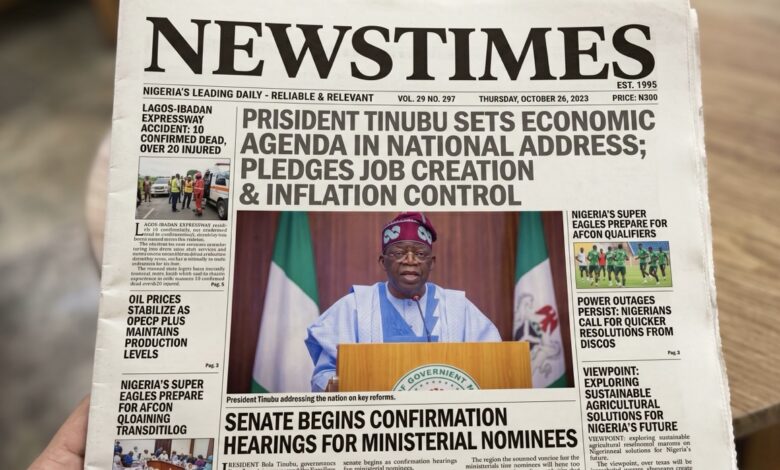
The Nigeria Democratic Congress (NDC) says nine names it never nominated appeared as its candidates for the Anambra State House of Assembly election in 2027, and the party has asked the Independent National Electoral Commission( INEC) to explain how this happened.
The NDC named the affected constituencies on X, listing nine people it said were unknown to the party. They cover Onitsha South 1, Onitsha South 2, Orumba North, Anaocha 1, Idemili North, Njikoka 1, Nnewi South, Nnewi South 2, Ayamelum and Dunukofia.
The party’s National Chairman, Moses Cleopas, said the development was troubling because it happened in Obi’s home state. He said the party’s validly nominated candidates were removed and replaced without its knowledge.
“We call on the INEC chairman to urgently and immediately cause an investigation into the matter and unravel how this came to be,” Cleopas said in the statement he signed.

READ RELATED NEWS
Obi’s presidential bid in doubt after court sets aside NDC registration judgment
NDC, Obidient Movement dismiss Ganduje’s criticism of Obi-Kwankwaso ticket
INEC will remain neutral in 2027 elections, Amupitan assures parties, Nigerians
The NDC did not limit its complaint to Anambra. It said a similar pattern played out in Benue and Imo states, where candidates it authorised were also swapped for names it called imposters. The party asked INEC to widen its check to those states too.
INEC has rejected the allegation that its officials tampered with the NDC list. The commission’s Chief Press Secretary and Media Adviser to the INEC Chairman, Adedayo Oketola, said the commission has no power to nominate or substitute candidates for any political party. This clarification, according to Punch, was disclosed on Monday in a chat.
“For the avoidance of doubt, INEC does not nominate candidates for political parties. The nomination of candidates is the responsibility of political parties, subject to compliance with the Constitution, the Electoral Act 2026 and other applicable laws, Regulations and Guidelines,” Oketola said.
He said parties submit candidates through a nomination portal using access credentials given to them, and that every action on the portal is recorded electronically.
He said this record can show exactly how each name got onto the list, so the question does not need to rest on claims from either side.
INEC turns to its own records for answers
Oketola said the commission would check its records for the constituencies the NDC named. He described the NDC’s specific claim, that INEC officials approached individual aspirants directly for their Form EC9 and uploaded their details without the party’s consent, as a serious one that could also be checked against the portal’s history.
He drew a line between INEC’s duty to monitor party primaries and the responsibility of parties to nominate their own candidates. Monitoring a primary, he said, does not give INEC the power to pick a winner or override what a party submits.
Disputes over who won a primary, any appeal from it, or any bid to change the result afterward must be settled under the Electoral Act 2026 and other relevant laws, he said.
Oketola asked the NDC to hand over evidence and name any official it believes interfered with its nomination process, so the claim can be investigated through the commission’s normal procedures. He said INEC has no stake in which candidates a party fields and that its job is limited to running the election under the law.
He said the commission would keep handling candidate nominations openly and would treat genuine complaints based on its records and the law. The commission’s position is that no name reaches the portal without a trace of who placed it there.
For More News Details, Visit New Daily Prime.