23 suspected cases reported as state steps up surveillance
Kwara State has recorded three laboratory-confirmed diphtheria cases and one death among 23 suspected infections reported since January. The cases have prompted health authorities to intensify surveillance, vaccination and emergency response measures across the state.
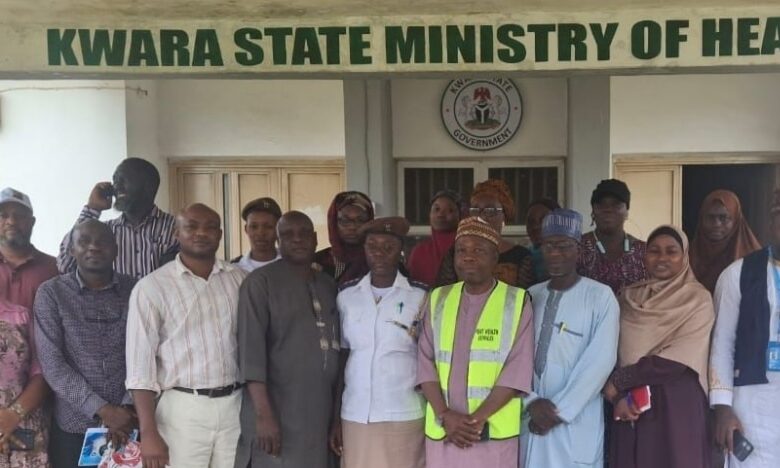
The figures were disclosed by the State Epidemiologist, Dr Khadeejah Kamaldeen, at a multi-sectoral health meeting in Ilorin focused on the state’s diphtheria situation and preparedness for possible Ebola outbreaks.
Kamaldeen said 22 samples had been collected from the 23 suspected cases. Three tested positive, 19 returned negative results, while two results were still pending.


She added that 21 patients had recovered and been discharged, while one death had been recorded among the confirmed cases.
The figures show that confirmed infections represent only a fraction of the suspected cases investigated so far. However, health officials are treating the reports as sufficient reason to tighten surveillance, particularly because six local government areas have recorded suspected cases.
Six LGAs under closer watch
The State Epidemiologist said active case searches were continuing in affected communities, alongside laboratory investigation and the pre-positioning of medical countermeasures at facilities where patients had been treated.
The response also includes immunisation, case management, risk communication and community engagement.
Kamaldeen stressed that diphtheria is vaccine-preventable and called attention to vaccination as a key barrier against transmission.
She also identified misinformation as a challenge that could discourage parents and caregivers from seeking timely vaccination or medical attention.
Traditional rulers, religious leaders and community groups are being brought into the response to improve public awareness and encourage early reporting of suspected infections.
The state’s emphasis on early detection is significant because diphtheria can initially resemble other respiratory illnesses, making prompt laboratory testing and notification important in identifying cases before transmission expands.
Kwara response comes amid national outbreak
The development in Kwara comes against a larger national diphtheria burden.
Data presented by the Nigeria Centre for Disease Control and Prevention (NCDC) in September showed that eight states, including Kano, Kaduna, Katsina, Borno, Bauchi, Plateau, Sokoto and Zamfara, accounted for 98 per cent of confirmed diphtheria cases recorded nationally at the time. The agency also reported that about 68 per cent of confirmed cases involved people who were unvaccinated.
Separate national data reported in September put the number of suspected cases recorded since the beginning of 2026 at 12,977, with 10,476 confirmed infections and 406 deaths. The figures underscore the scale of the disease nationally and explain why states with fewer cases are still strengthening surveillance.
For Kwara, the immediate concern is therefore not the size of its current caseload alone, but the possibility that undetected infections could establish new chains of transmission.
READ RELATED NEWS UPDATES
Why Ebola preparedness is also on the agenda
The meeting also examined Kwara’s preparedness for a possible Ebola outbreak, although the state has not reported a confirmed Ebola case.
Nigeria has been strengthening its preparedness following the emergence of Bundibugyo Ebola virus disease in parts of Africa. In June, the Federal Government activated a Presidential Task Force on Ebola preparedness and approved ₦10 billion for emergency preparedness and public health response activities.
The Federal Ministry of Health has also stated that Nigeria had no confirmed Ebola case at the time of its June preparedness update, while the NCDC warned that regional transmission and population movement made preparedness necessary.
At the Ilorin meeting, Kwara Director of Public Health, Dr Oluwatosin Fakayode, represented by Kamaldeen, called for a review of the state’s approved Ebola preparedness work plan and closer coordination among agencies.
The meeting brought together representatives of the Kwara State Ministry of Health, NCDC, World Health Organisation, AFENET, Port Health Services, Ministry of Environment and other partners.
Vaccination takes centre stage
The state’s response places immunisation at the heart of prevention because diphtheria is largely avoidable through vaccination.
Health authorities are also asking communities to report suspected infections promptly, seek medical care early and rely on verified information rather than unconfirmed claims circulating online.
For Kwara, the immediate task is twofold: contain the diphtheria cases already identified and strengthen the surveillance system capable of detecting the next infection quickly.
The state government’s latest measures suggest that preparedness is being treated as a continuous public-health function rather than a response reserved for a full-blown outbreak.