Makinde’s Ladoja Jabs: Has the Governor Forgotten Who Stood With Him When Others Wrote Him Off?

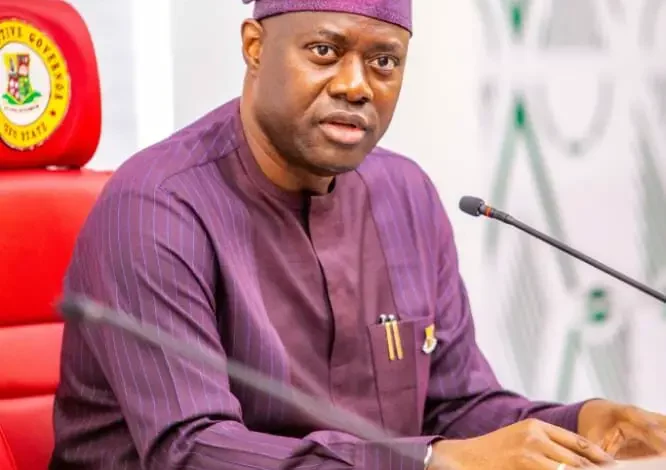
Governor Seyi Makinde appears to be throwing subtle political jabs at the Olubadan of Ibadanland, Oba Rashidi Adewolu Ladoja — but there is one uncomfortable question the governor may need to answer: has he forgotten those who stood by him when powerful political forces in Oyo State had already written him off?
Politics may be a game of changing alliances, but it is also a game of memory.
Before Makinde became Governor of Oyo State, the political landscape was hardly favourable to him. He faced formidable opposition, entrenched political structures and forces that did not believe he could break through.
Ladoja was among the prominent political figures who backed and supported Makinde’s political journey at a critical period.

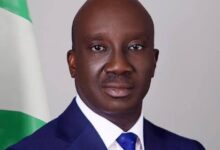
That history cannot simply be erased because political relationships have evolved.
Whatever anyone may think of Ladoja, one fact is difficult to dispute: he remains one of the most influential political figures produced by Oyo State in the Fourth Republic.
His political network, experience and understanding of the state’s political machinery are not things any serious politician can afford to dismiss.
And Makinde knows this.
The governor also knows that Ladoja’s influence extends beyond the ceremonial stool of the Olubadan. He understands the political history, networks and relationships that the former governor has built over decades.
That is why any attempt to diminish Ladoja politically could prove more complicated than it appears.
Makinde may be sitting comfortably today as governor, with the power of incumbency behind him, but political power is transient. The same political terrain that lifts a man today can humble him tomorrow.
The lesson of Oyo politics has always been clear: never mistake temporary political dominance for permanent ownership of the political space.
Makinde should therefore tread carefully.
If there are disagreements between the governor and the Olubadan, they should be handled with the maturity expected of men occupying institutions larger than themselves.
Because while political battles come and go, history keeps records.
And history will remember that when Makinde needed political allies, some people stood with him when others had turned their backs.
Today, he may be the governor.
Tomorrow, the political equation may be different.
In Oyo politics, yesterday’s ally can become tomorrow’s kingmaker — and today’s political giant can become tomorrow’s opposition.