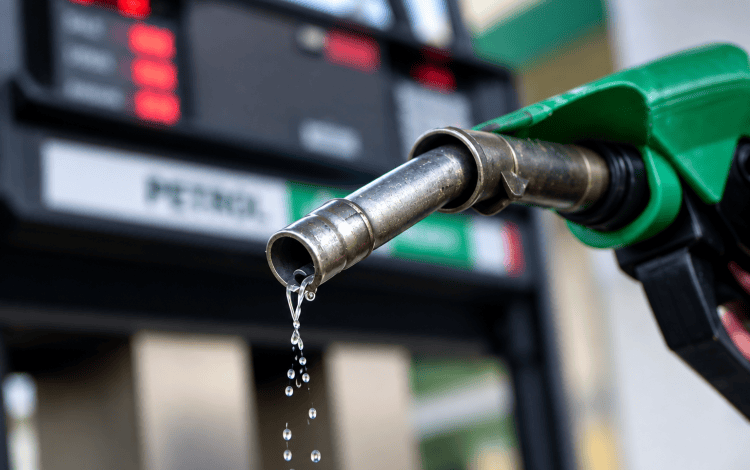
Nigeria could face an annual petrol subsidy bill of about N19.16tn if the government restores universal subsidy, the Centre for the Promotion of Private Enterprise (CPPE) has warned.
The group said the amount could compete with money needed for infrastructure, education, healthcare, security, agriculture and social protection, at a time when public finances are already under pressure.
The estimate was given by CPPE Chief Executive Officer, Dr Muda Yusuf, in a policy brief issued on Sunday.
READ RELATED NEWS
Melaye accuses Tinubu of diverting subsidy funds to governors for 2027 support
Subsidy row deepens Atiku-Tinubu 2027 battle
Subsidy return could reopen fiscal pressure, Presidency tells Atiku
Atiku: N24.7tn borrowing is choking Nigeria’s businesses
Yusuf based the calculation on petrol use of 50 million litres daily and an estimated subsidy of N1,050 per litre.


That would put the government’s exposure at about N52.5bn each day and N1.575tn every month.
The actual figure could be different, depending on petrol consumption, crude oil prices, exchange rates, refining or landing costs and the regulated pump price, Yusuf said.
N19tn bill could reshape government spending
CPPE said an annual subsidy bill close to N20tn could worsen the fiscal deficit and increase pressure from borrowing and debt servicing.
Yusuf warned that higher government borrowing could reduce access to credit for private businesses, keep interest rates high and weaken investment.
He said the effects could extend to productivity, job creation and economic growth.
The group also warned that cheaper petrol under a subsidy system could encourage higher consumption because price differences may create incentives for arbitrage and cross-border diversion.
Yusuf said restoring the former subsidy system could therefore replace the current energy-price problem with pressure on government finances, debt, foreign exchange and investment.
The CPPE acknowledged that higher petrol prices have placed serious pressure on households and businesses.
It said the price increase has raised transportation, logistics and production costs, reduced purchasing power and created difficulties for businesses competing in the market.
The group, however, said relief should be directed to people facing the effects of high petrol prices instead of restoring universal subsidy.
Yusuf also said the government should separate the impact of subsidy removal from the effect of the recent rise in global energy prices.
He said petrol sold for about N774 to N800 per litre before the recent global energy shock. Prices later rose above N1,300 per litre as international energy prices increased amid the Middle East crisis.
Yusuf said it would therefore be wrong to blame the entire increase on subsidy removal because the two developments have different causes and require different policy responses.
CPPE wants subsidy gains seen in daily life
The CPPE said subsidy removal had improved the commercial viability of domestic refining and increased revenues available to the Federal, state and local governments.
It said those revenues should now produce visible improvements for Nigerians and help reduce some of the costs created by higher petrol prices.
“Citizens must see tangible benefits through improved public transportation, electricity, healthcare, education, food security, infrastructure and social protection,” Yusuf stated.
He said the extra money available to the three tiers of government should support mass transit, electricity supply, agriculture and logistics.
He also listed targeted social protection, affordable healthcare and education, as well as support for productive businesses, especially micro, small and medium enterprises.
The CPPE said the government should preserve the downstream petroleum reforms while reducing their social and economic effects.
“The appropriate policy direction is to preserve the downstream petroleum reforms while aggressively mitigating their social and economic costs,” Yusuf said.
The group also asked for greater transparency and accountability in the use of additional funds received by the Federal, state and local governments.
Its policy brief said the central question should be how the gains from petrol reform can reduce costs for Nigerians and businesses.
For More News Details, Visit New Daily Prime.