Civil Society Organisations have warned that Nigeria’s worsening debt burden and climate crisis are placing an unequal and growing burden on women, girls, children and vulnerable communities, while simultaneously shrinking government’s capacity to finance essential social services.
The warning was issued in Abuja at a press briefing organised by the Euphrates Climate Foundation in partnership with ActionAid Nigeria and Global Affairs Canada under the Renewed Women’s Voice and Leadership project.
Executive Director of the Euphrates Climate Foundation, Dr. Nancy Seember Terhemba, said the effects of climate change were becoming increasingly visible in the Federal Capital Territory, particularly through rising heat, flooding, water stress and the destruction of green spaces.
She called on the FCT Administration, the police and relevant environmental agencies to enforce existing environmental laws, halt the illegal destruction of trees and green areas and ensure that urban development in Abuja is climate-resilient, inclusive and sustainable.
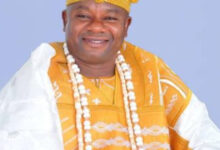

“Climate change is not gender-neutral,” Terhemba said.
She noted that women, particularly women farmers, women living with disabilities and those in climate-vulnerable communities, were experiencing some of the most severe consequences of climate change despite having comparatively less access to land, finance, technology, information and decision-making platforms.
Terhemba also linked Nigeria’s debt obligations to the deterioration of public services, arguing that the resources committed to debt servicing are reducing the fiscal space available for investments in healthcare, education, climate adaptation and social protection.
According to her, the pressure is particularly severe in the health sector, where inadequate public funding is affecting access to maternal and other essential healthcare services.
“Women cannot afford to pay for these services, and you have an increase in maternal deaths. When government does not invest in gender-responsive services, the girl child suffers. A lot of girls are not able to go to school,” she said.
She argued that rural women and female farmers were among those bearing the heaviest consequences of the combined debt and climate crises, even though women remained inadequately represented in decisions concerning public debt, climate policy and national development.
Terhemba therefore advocated a shift in public spending towards climate-smart agriculture, social services and other investments that directly strengthen vulnerable communities, while calling for greater participation of women and young people in decision-making.
Also speaking, the Country Director of ActionAid Nigeria, Dr. Andrew Mamedu, represented by Deputy Country Director, Hajiya Suwaiba Dankwabo, warned that the relationship between climate change and unsustainable debt required urgent government attention.
The briefing followed the release of ActionAid’s international flagship report, “Debt Fuels the Climate Crisis: How the Finance Flows,” which examined how debt repayments are limiting the ability of climate-vulnerable countries to respond to the climate emergency.
The report states that the world’s most climate-vulnerable countries are spending nearly 25 times more on debt repayments than on climate action, while 93.5 per cent are either facing a debt crisis or considered at significant risk.
For Nigeria, the report projects that debt repayments will consume more than half of government revenue in 2026.
This, the organisations said, creates a major challenge for a country that remains Africa’s largest fossil-fuel producer while nearly 40 per cent of its population still lacks access to electricity.
The human consequences of the crisis were illustrated through the story of Finegirl, a 59-year-old farmer, mother and grandmother from the Niger Delta.
According to ActionAid, Finegirl recalled a period when rivers provided abundant fish and farmland produced sufficient crops. Oil pollution, however, has contaminated waterways, damaged agricultural and fishing activities and undermined the livelihoods of communities that depend on them.
The organisations said women and girls frequently become the “shock absorbers” of climate disasters and economic austerity.
They are forced to travel longer distances to obtain water, reduce their food intake when household resources become scarce and assume increased unpaid care responsibilities.
Girls, the organisations added, face a heightened risk of leaving school when climate shocks and declining household incomes make education increasingly difficult to afford.
At the end of the briefing, the CSOs demanded increased public financing for climate adaptation, including sustainable agriculture, renewable energy, flood prevention and locally led climate solutions.
They also called for a sustainable and transparent approach to Nigeria’s debt burden, insisting that debt servicing should not crowd out investments in healthcare, education, social protection and climate resilience.
The groups further demanded transparent tracking of climate finance and urged government to ensure that climate budgets are gender-responsive and disability-inclusive.
They called for greater investment in women-led green jobs and enterprises, including access to skills, technology, finance and markets.
The organisations maintained that climate policy must ultimately be measured by its impact on people and communities, particularly those with the fewest resources to withstand climate and economic shocks.
“Countries should not have to borrow their way out of a climate crisis. It is time to end unsustainable debt, deliver climate justice and fund our future,” the CSOs said.