Nigeria’s worsening air pollution crisis has assumed a new urgency, with the federal government moving to tighten controls on vehicle and generator emissions after the country emerged as the third most polluted country in Africa in the 2025 World Air Quality Report.
The government said the ranking underscored the urgent need for coordinated action as polluted air increasingly threatens public health, economic productivity, agriculture, livelihoods and the environment.


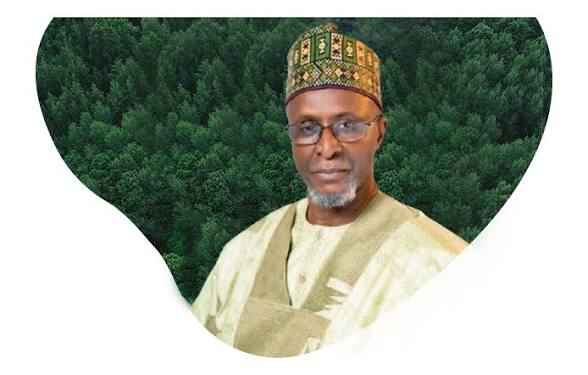
Minister of Environment, Balarabe Abbas Lawal, disclosed this while speaking at the 2026 International Day of Clean Air for Blue Skies, organised under the theme, “Team Clean Air, Healthy People.”
Lawal identified rapid population growth, expanding cities, rising transportation demand, industrial activities, increasing energy consumption, waste generation and agricultural practices as major drivers of Nigeria’s deteriorating air quality.
He also linked the problem to the continued use of polluting fuels, particularly in transportation and household energy consumption, warning that the consequences extended beyond human health to ecosystems and community resilience.
To reverse the trend, the minister said the Federal Ministry of Environment was developing a national framework that would enable states to establish vehicle and generator emissions testing centres, subject to national minimum standards.
He said the federal government’s ongoing transition to compressed natural gas (CNG) for transportation was also expected to reduce emissions and improve air quality, particularly in major urban centres.
Lawal further disclosed that government was implementing the National Clean Cooking Policy, with a target of achieving universal access to cleaner energy solutions for households and institutions by 2030.
According to him, the ministry is also developing a national air quality management policy and a youth-led clean air programme, while encouraging businesses to adopt cleaner technologies, energy-efficient systems, sustainable transportation and low-emission production methods.
The minister said government had established air-quality monitoring stations in Lagos, Kano and Port Harcourt, with plans to improve access to pollution data through a mobile application providing real-time air quality index information.
He, however, acknowledged that government intervention alone would not be enough to reverse the country’s pollution crisis, calling for stronger participation by the private sector, civil society, academia, research institutions, the media and young Nigerians.
Lawal urged the media to make air pollution a sustained national issue by translating scientific findings into information that ordinary Nigerians could understand and act on, stressing that access to clean air should not become a privilege reserved for a few.
He said the 2026 commemoration should mark a turning point in Nigeria’s environmental policy, with the country pursuing economic growth alongside cleaner industries, safer cooking energy, sustainable transportation and stronger environmental responsibility.
The minister stressed that the fight against air pollution transcended political, ethnic, religious and geographical differences, urging Nigerians and other stakeholders to work collectively to secure a healthier environment for present and future generations.