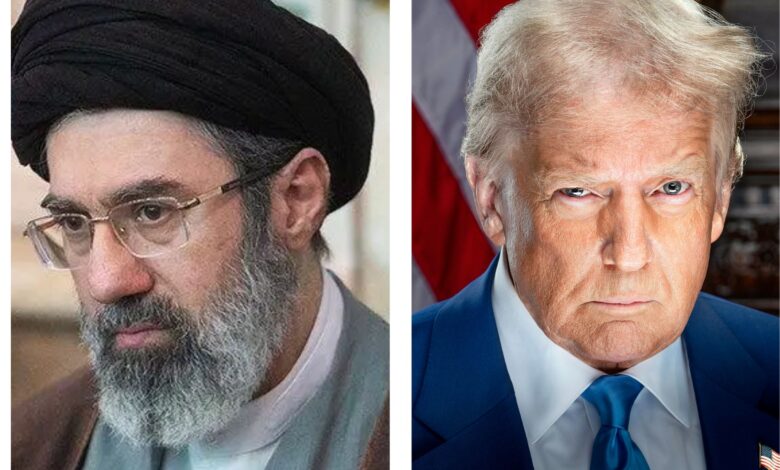
Iran has insisted that diplomacy remains the way forward in resolving its conflict with the United States and Israel after US President Donald Trump publicly rejected Tehran’s proposal to reopen the Strait of Hormuz and end fighting in the Middle East.
The development comes a day after Iran said it was awaiting Washington’s response to a seven-day proposal presented during diplomatic discussions on the sidelines of the United Nations General Assembly in New York.
Trump said on Saturday that he had rejected the Iranian proposal, which Tehran said could lead to the reopening of the strategically important waterway and a pause in regional fighting.
“I reject their proposal,” Trump told reporters at the White House.


“They want to make a deal to open the Hormuz Strait immediately because they’re losing so badly,” he added.
Iranian Foreign Minister Abbas Araghchi, however, said on Sunday that Tehran was still waiting for mediators to formally communicate Washington’s position.
Araghchi said Iran had heard Trump’s public reaction but that the mediators facilitating contacts between the two countries had not officially conveyed a US rejection to Tehran.
“We are waiting for the mediators to convey the definitive views to us, and we will make a decision based on them,” Araghchi said.
The distinction means that while Trump has publicly rejected the proposal, Iran is still waiting for the diplomatic channel to deliver Washington’s formal position.
Iran presented its proposal earlier this week during the UN General Assembly in New York. Tehran said the initiative had been transmitted to US officials through Qatari mediators.
Under the proposed roadmap, Iran said the Strait of Hormuz could be reopened within seven days, alongside a pause in fighting across the region and the resumption of broader negotiations.
Araghchi said the proposal was based on conditions that had already been communicated to the mediators and subsequently passed on to the US side.
“Our conditions are clear, and any move toward reopening the Strait of Hormuz is contingent on these conditions being met,” Araghchi said.
“Only a negotiated solution can get them out of this deadlock,” he added.
The Strait of Hormuz remains at the centre of the dispute because it is a major international energy route. The ongoing conflict has sharply reduced shipping through the waterway, disrupting oil flows and contributing to wider economic concerns.
The conflict has affected global energy markets and placed further pressure on an already strained international economy.
Iran has linked any reopening of the strait to conditions surrounding the conflict and negotiations with Washington. Araghchi said the proposed arrangement would establish a seven-day countdown towards reopening the waterway and suspending regional fighting if the United States agreed to the terms.
“If there is seriousness on the US side to come to a deal and reopen the Strait of Hormuz, everything is now prepared,” Araghchi said during discussions at the United Nations.
The proposed negotiations could also address Iran’s nuclear programme and other outstanding issues between Tehran and Washington.
Read related news
Iran awaits US response to seven-day plan to reopen Strait of Hormuz
Iran-US War: Tehran sends conditions to end war through Qatar
Russia-Ukraine War: Russian strikes kill five as Zelenskyy prepares to meet Trump
Trump has repeatedly said Iran must not acquire a nuclear weapon, while Iranian officials have maintained that Tehran is prepared to negotiate but will not surrender what it considers its rights under pressure.
Iranian President Masoud Pezeshkian said in an interview with CBS that Tehran was ready for discussions over its nuclear programme and other issues, but would not accept what he described as “bullying or coercion.”
“Iran is not seeking war, but will defend itself against pressure, threats and attacks,” Pezeshkian said.
The latest developments have therefore created uncertainty over the future of the diplomatic initiative.
While Trump has publicly rejected the Iranian proposal, Tehran says it has not yet received a formal US response through the mediators and will determine its next steps after Washington’s position is officially communicated.
The disagreement comes as the conflict continues to affect countries across the Middle East and international energy markets. Iran and its allies have carried out attacks in the region, while the United States has maintained military and economic pressure on Tehran.
For now, Iran says it remains committed to diplomacy and negotiations, while the Trump administration has rejected the seven-day proposal put forward by Tehran.
The next phase will depend on whether the diplomatic channels involving Qatar and other mediators can produce further discussions between Washington and Tehran over the conditions for reopening the Strait of Hormuz, ending the fighting and addressing the wider disputes between the two countries.