28
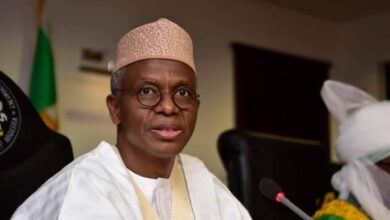
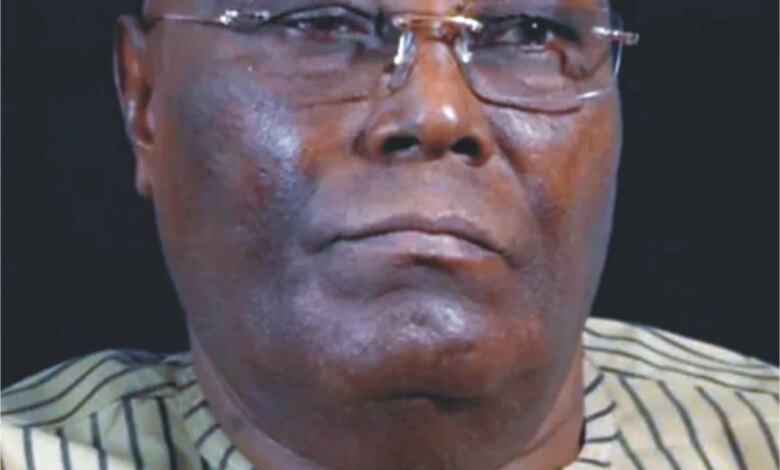
The former Vice President Atiku Abubakar has been trending for weeks now since he categorically mentioned he was going to return the fuel subsidy if elected in the 2027 general election.
Unsurprisingly, his plan was immediately rejected by many Nigerians who feel it will collapse Nigeria’s economy, while some people have not only praised him but welcomed the decision, especially the youths who think they have not really benefitted from the policy and believe it has made life unbearable for many of them. These youths are now rooting for and supporting Atiku to become the next President. Though Atiku’s promise to restore some form of petrol subsidy may appeal strongly to many Nigerian youths because it addresses the immediate problem they face every day; the high cost of living. According to some youths City People spoke with, one of the key concerns for the youths is transport costs; cheaper petrol could reduce the cost of commuting, which is particularly important for students, workers, and young entrepreneurs.
Lower business expenses – Many young Nigerians run small businesses that depend on generators, motorcycles, cars, or logistics. Lower fuel prices could cut operating costs. Pressure from high food prices – Transport and energy costs influence food prices. Youths may see cheaper petrol as a way to cut the overall cost of living. Reports say that the subsidy removal contributed to a severe cost-of-living crisis, even while improving some government finances. They want immediate relief – Economic reforms can take years to produce benefits, while fuel prices affect people’s pockets immediately. Atiku presents subsidy support as a way to give households and businesses relief.

The question of where the subsidy savings went—Atiku has argued that Nigerians have not seen enough benefit from the money saved after subsidy removal, saying it should have helped areas such as education, healthcare, and youth empowerment. The pronouncement is an attractive political message. For a young voter struggling with unemployment, transport costs, and inflation, “I will reduce your fuel cost” is easier to understand and feel immediately than promises about long-term fiscal reforms. However, there is an important counterargument: subsidies cost the government money, and if poorly managed, they can create corruption, deficits, and reduced funding for other services. The Tinubu government has therefore challenged Atiku to explain exactly how his proposed subsidy would be financed and protected from abuse.
So, in simple terms, Atiku’s subsidy message appeals to many youths because it promises immediate relief from an economic pain they experience daily, whereas the benefits of the current reforms feel more distant to many youths.
Rising fuel prices push up transport costs, making food and basic goods very expensive. Atiku states that bringing back a targeted subsidy will make daily life affordable again.
However he questions what the current government did with the money saved. He argues that the funds have not visibly reduced poverty or improved public welfare as promised.
Protecting workers and farmers: He wants local wages to have real value again. He also wants farmers to transport their food crops to markets without losing all their profits to high transport costs.
Atiku clarified that his plan is not a return to past corruption or import fraud but a focused intervention designed to protect vulnerable households and support local production.
There have been several discussions about subsidy over the last few weeks, and many public figures have spoken about it. One of them, Accord Party presidential candidate Gbenga Olawepo-Hashim, said Nigerians should not have to pay more than N605 per litre of petrol.
He said the key to achieving the price was not another opaque subsidy regime but a fundamental correction of what he described as Nigeria’s distorted petroleum cost and accounting structure. Hashim, who has consistently opposed the removal of the petroleum subsidy, described the previous justification for subsidy removal as “accounting magic,” arguing that Nigeria must first establish the genuine cost of producing, refining, transporting, and distributing petrol before declaring that the government is subsidizing consumers, he said.
High Debt and Cost: The government spent huge amounts of money every year to keep fuel prices low. This led to heavy borrowing and pushed the country close to bankruptcy.
Officials stated that the saved money could be used for other vital needs. These include building roads, improving schools, upgrading healthcare, and funding public welfare programs.
Cheap, subsidized petrol was often smuggled out of Nigeria to neighboring countries for higher profits. Ending the subsidy has helped stop this illegal trade and saved resources.
Encouraging Competition: Subsidies blocked private companies from freely participating in the oil market. Removing it allows free-market competition, encourages local refineries to grow, and brings long-term stability.
The Nigerian government removed the fuel subsidy to stop massive financial debt, reduce budget deficits, and free up money for public services. President Bola Tinubu announced the end of the subsidy in May 2023 when he assumed office as Presidential because the payments had become too costly for the country.
The question is, would Atiku return the subsidy if he wins the 2027 Presidential elections, time will tell!
ISAAC ABIMBADE
(08155107955)
What do you think about this?
Drop your opinion in the comment section.
FOLLOW US & Share this with someone who needs to see this.