The Federal Government has defended its proposed $21.7 billion external borrowing programme while setting a single-digit inflation target for 2027, placing the success of its economic reforms under scrutiny as Nigerians weigh fresh debt against the promise of lower prices and improved living conditions.
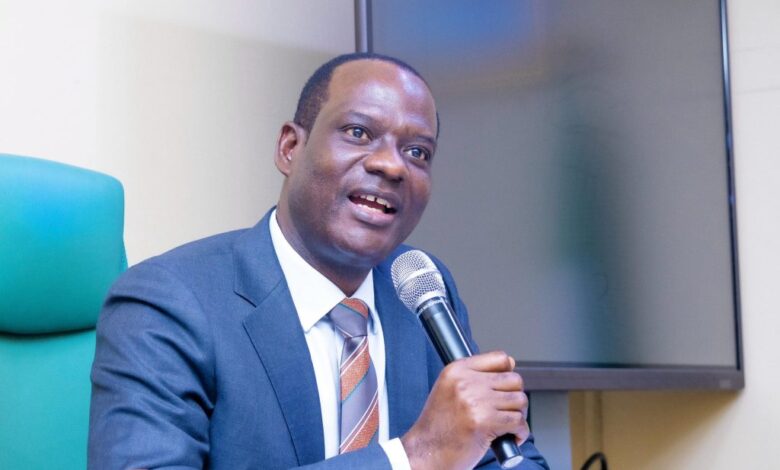
Finance Minister Taiwo Oyedele disclosed the targets after Wednesday’s Federal Executive Council meeting in Abuja, insisting that the proposed loans would finance infrastructure and productive investments rather than routine consumption.
The borrowing plan comprises $20.52 billion and €1.045 billion. Oyedele stressed that approval of the proposal did not mean Nigeria had already secured the money or would draw the entire amount.

Transportation accounts for approximately $10.6 billion, covering projects such as the Sokoto-Badagry and Lagos-Calabar highways and the Kano-Kaduna railway. The government expects development institutions to provide about $7.9 billion, including a $5 billion World Bank component with an average interest rate of approximately 2.1 per cent.
Oyedele said projects under the programme would take an average of five years to implement, making the economic return dependent on execution, financing terms and the benefits generated after completion.
RELATED NEWS:
Debt promises meet the cost-of-living test
The government’s defence comes amid criticism from former Vice-President Atiku Abubakar and former Anambra State Governor Peter Obi. Their concerns place renewed attention on whether additional foreign borrowing can produce benefits sufficient to justify the financial obligations it creates.
Concessional loans can reduce interest costs compared with more expensive commercial borrowing. However, favourable rates do not eliminate repayment obligations, foreign-exchange exposure or the need to select projects capable of delivering measurable economic returns.
The government has not yet provided, in the briefing, a project-by-project breakdown of expected returns, disbursement schedules or the repayment profile of the proposed facilities. Those details would help Nigerians assess how the borrowing could affect future budgets and public services.
Inflation target faces a steep test
Oyedele said inflation fell to 14.63 per cent in September from 20.98 per cent a year earlier, after reaching a peak of about 34 per cent. The administration now wants the rate reduced to single digits by December 2027.
That ambition would require inflation to fall below 10 per cent, a substantial further decline from the September figure. Even if the rate drops, it would not mean prices return to previous levels. It would mean prices increase more slowly, provided the disinflation is sustained.
Food prices will be central to public perceptions of progress because household welfare depends on what people can afford, not inflation statistics alone. Transport costs, exchange-rate movements, energy prices and agricultural supply will also influence the outcome.
Budget deadline adds another test
Minister of State for Budget Doris Uzoka-Anite said the government intends to present the 2027 Appropriation Bill to the National Assembly before the end of 2026. The proposed budget should clarify how the administration intends to balance borrowing, infrastructure spending, debt servicing and social protection.
Oyedele also reported gross foreign reserves above $55 billion, net reserves exceeding $45 billion and second-quarter economic growth of 4.43 per cent. He said cash transfers had reached more than 10 million households, while the Nigerian Education Loan Fund had disbursed ₦372.6 billion to over 1.5 million students.
These figures describe the government’s reported progress, but the decisive test will be whether economic gains translate into stronger purchasing power, reliable infrastructure and jobs.
The proposed loans, inflation target and budget timetable now form a connected test of policy delivery. Nigerians will need transparent spending records and measurable results to judge whether new debt is buying lasting economic relief.
For More News Updates, Visit New Daily Prime News