Badenoch hits back as Farage ally calls her ‘Nigerian Scammer’, warns Britons over bank details

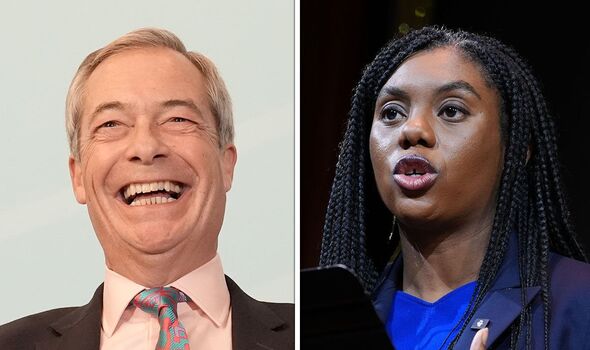
British Conservative Party leader Kemi Badenoch has accused an ally of Reform UK leader Nigel Farage of launching racist attacks against her after he described her as a “Nigerian scammer” in a series of social media posts.
The controversy has raised fresh questions about racism in British politics, the treatment of politicians from ethnic minority backgrounds and the response of senior Reform UK figures to offensive remarks made by their associates.
Badenoch, who was born in London and spent part of her childhood in Nigeria, rejected the comments during an interview on ITV’s Good Morning Britain on Thursday, 29 October 2026.
Her response followed posts by Raheem Kassam, a political commentator and former senior adviser to Farage, who questioned her honesty while repeatedly referring to her Nigerian background.

How the ‘Nigerian scammer’ controversy began
The dispute started after Kassam published several messages on X, formerly Twitter, attacking Badenoch’s political credibility.
In one post, he described the Conservative leader as an “unrelenting scammer” and accused her of exploiting her Nigerian heritage to advance her career.
Another post warned readers not to give her their credit card or bank account details.
The accusations were political attacks rather than evidence of criminal wrongdoing. No verified evidence presented in the reports establishes that Badenoch was involved in financial fraud.
Kassam previously worked with Farage when he led the UK Independence Party (UKIP). He has also worked as an editor at Breitbart News.
Badenoch condemns use of Nigerian heritage in political attacks
During her television appearance, Badenoch suggested that some people associated with Reform UK believed attacking her ethnicity could improve their political standing.
She said the attacks would not prevent her from challenging Reform or seeking to win back voters who had abandoned the Conservatives.
“Britain is not a racist country,” she said, arguing that attempts to use her race against her would fail.
Badenoch also questioned why political opponents were spending time attacking her personally rather than explaining how their policies would improve people’s lives.
Her comments reflected the growing rivalry between the Conservatives and Reform UK as both parties compete for voters on the British right.
Badenoch portrayed the remarks as evidence of differences between the political cultures of the two parties, although Reform figures disputed the suggestion that the comments were deliberately racist.
Nigel Farage admits comments were excessive but denies racist intent
Farage was questioned about Kassam’s remarks during an appearance on BBC Breakfast earlier in the week.
The Reform UK leader argued that describing someone’s Nigerian upbringing was not automatically racist.
However, when pressed about the wording, Farage accepted that Kassam had gone too far.
He said the remarks were excessive but maintained that he did not believe they were intentionally racist.
Farage also challenged Badenoch’s account of aspects of her past, making clear that he considered criticisms of her political honesty legitimate.
His response attracted further attention because it stopped short of condemning Kassam’s language as racist.
According to The Times, Farage privately reprimanded Kassam, telling him that the comment was neither clever nor funny.
Kassam subsequently acknowledged that he could have chosen different words. He reportedly explained that he had intended a reference to the television comedy Fonejacker, while maintaining his criticism of Badenoch.
Robert Jenrick refuses to condemn remark as racist
The disagreement widened after Robert Jenrick, a former Conservative politician who joined Reform UK, declined to describe Kassam’s remarks as racist.
Jenrick, who serves as Reform’s Treasury spokesman, acknowledged that the language could be considered rude or unpleasant but argued that he was not responsible for policing the social media posts of individuals associated with the party.
His position drew criticism because Badenoch was previously his party leader.
The Labour Party also criticised Jenrick’s response, arguing that condemning racism should not depend on party loyalty.
The episode has placed greater attention on how senior political figures respond when individuals associated with them use language that links nationality or ethnicity to alleged dishonesty.
Why the row matters to Nigerians living in Britain
The controversy has particular relevance to Nigerians living in the UK because it raises a wider question about whether nationality and ethnic background should be used to undermine someone’s credibility.
Political leaders can legitimately be questioned about their records, statements and decisions. However, linking accusations of dishonesty to someone’s Nigerian heritage introduces an additional issue: whether the language reinforces harmful stereotypes about an entire nationality.
Badenoch’s Nigerian upbringing has long been part of her political biography. She has spoken about her experiences in both Britain and Nigeria, although her previous comments about Nigeria have themselves generated controversy.
Her relationship with her Nigerian identity is therefore a subject of public debate, but criticism of her political positions is separate from making claims that associate Nigerian nationality with fraud.
For British Nigerians, the latest dispute also highlights the importance of distinguishing individual political conduct from the reputation of a wider community.
There is no indication that the controversy has produced any change to immigration rules, nationality rights or the legal position of Nigerians living in Britain.
What happens next in the Reform UK racism dispute?
The immediate political question is whether Farage and other Reform UK leaders will face further pressure to distance themselves from Kassam’s language.
The Conservative leadership has used the controversy to challenge Reform’s judgement, while Reform figures have sought to distinguish offensive language from deliberate racism.
As of 31 October, the reporting reviewed by NewDailyPrime does not establish that Kassam has been suspended or expelled from Reform UK. The party has said he is not a member.
The controversy remains a political dispute over language, race and accountability rather than a reported criminal fraud case against Badenoch.
For both parties, the issue is likely to remain connected to the wider competition for public trust, particularly among voters concerned about discrimination and standards of political debate.
Read related news
Badenoch accuses Reform UK politicians of using her Nigerian roots for political gain
Kem Badenoch warns UK could face France-style riots unless Immigration is cut
Badenoch demands halt to prisoner release plan