France’s government is considering partial curfews after demonstrations over rising living costs and deteriorating public services escalated into widespread violence, looting and attacks on public buildings, placing President Emmanuel Macron’s administration under mounting pressure.
Prime Minister Sébastien Lecornu said on Monday, October 19, that regional authorities could introduce curfews to protect residents and businesses. He also left open the possibility of a state of emergency if the unrest continued.
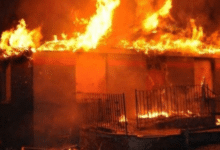
The announcement followed a turbulent weekend in which protesters gathered in cities across France. While many demonstrators marched peacefully, violent groups attacked shops, public buildings and police officers. In Limoges, a fire destroyed much of the historic town hall, while other cities recorded vandalism and looting.
Authorities have reported thousands of arrests. Figures published on Sunday put the number at about 2,400 nationwide, although the full extent of the damage and the final number of people detained remain subject to official updates.
RELATED NEWS:
Macron acknowledges security failures
Macron has condemned the violence while recognising that peaceful protesters have legitimate concerns about living costs and public services.
On Monday, he acknowledged failures in intelligence and security planning and instructed Interior Minister Laurent Nuñez to ensure that shortcomings in the response were examined. Macron rejected Nuñez’s offer to resign, saying continuity in the leadership of law enforcement was important during the crisis.
The government has faced criticism over its preparation for the demonstrations and its handling of the violence. Opposition figures have questioned whether the authorities adequately anticipated the scale of the unrest.
Lecornu has also promised a firm response to attacks on businesses and public institutions. The government faces the challenge of restoring public order without treating peaceful demonstrators and those responsible for violence as one group.
Living costs and public services at the centre
The protests began with high school students demonstrating against poor school conditions, staff shortages and problems affecting access to education. The movement subsequently drew support from trade unionists, activists and other citizens concerned about rising living costs, fuel prices, wages and public spending.
The demands reflect frustration over household affordability and the quality of essential services. The government has discussed measures relating to fuel prices and education, but the latest escalation shows that public anger has not subsided.
Businesses affected by looting and damage are also seeking support. Authorities have discussed assistance for affected firms, although the full details and funding arrangements have not been clearly established in the available public information.
The protests come months before France’s next presidential election, adding political pressure to the government’s response. However, the demonstrations involve varied grievances and groups, and should not be treated as evidence that all participants share the same political objectives.
With further demonstrations being discussed for the coming weekend, the immediate test for the government is whether it can contain violence, protect public spaces and businesses, and address the economic and public-service concerns that brought people onto the streets.
The situation remains fluid. The government’s next measures, the extent of any curfews and the response of protest organisers will determine how the crisis develops in the coming days.
For More Details, Visit New Daily Prime News