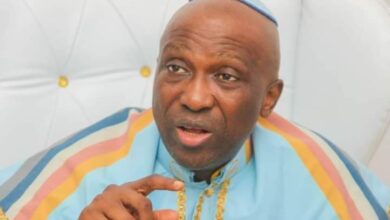
The Nigeria Labour Congress (NLC) has opened a fresh push for higher wages and cheaper petrol, saying the current ₦70,000 national minimum wage can no longer adequately cushion workers against the rising cost of living.
In an Independence Day statement signed by its President, Joe Ajaero, the labour centre demanded an immediate reduction in petrol prices, a nationwide wage award and the commencement of negotiations for a new minimum wage to take effect in 2027.
The NLC’s case centres on a simple economic chain: when petrol becomes more expensive, transport operators face higher running costs. Those costs are then reflected in the prices of food, rent, school fees and other household necessities.
The union said petrol now sells for ₦1,430 per litre or more in major cities, with higher prices in some remote locations. It described transportation as a major channel through which fuel costs spread across the economy.


That makes the NLC’s latest demand more than a call for a bigger salary. It is also a demand for a reduction in one of the costs that affects workers before their wages even reach the market.
“A wage award is not charity. It is an emergency intervention against the collapse of real income,” the NLC said.
READ RELATED NEWS UPDATES
The proposed wage award would cover workers in the federal, state and local governments. The demand also revives an earlier commitment made after the petrol subsidy was removed in 2023.
In an October 2023 Memorandum of Understanding, the Federal Government approved a ₦35,000 monthly wage award for federal workers and called on state governments to consider similar measures. The agreement also contained provisions on CNG buses, support for small businesses and other measures intended to soften the effect of subsidy removal.
Three years later, the NLC says the relief has not kept pace with household expenses.
The union also wants the government to implement tax measures contained in the 2023 agreement and establish a tripartite committee to negotiate a new minimum wage for 2027.
The timing is significant. When President Bola Tinubu approved the ₦70,000 minimum wage in July 2024, he said it would be reviewed after three years rather than five.
The NLC is now asking that the review process start before the end of 2026.
“The current ₦70,000 minimum wage was already destroyed by inflation before it was implemented,” the union said.
The statement also shifts attention from wages to the cost of running government. The NLC called for greater transparency in public spending and increased investment in roads, hospitals, schools and other public infrastructure.
Its reasoning is that household income cannot be protected through wages alone if Nigerians continue to spend heavily on transport, healthcare, education and other services that public infrastructure should help provide.
The labour centre also criticised Nigeria’s continued dependence on imported refined petroleum products, despite the country’s status as a major crude oil producer. It called for greater domestic refining and questioned what Nigerians had gained from the savings the government said would follow subsidy removal.
“Three years later, petrol prices have multiplied several times over, yet the promised infrastructure and social services remain mirages. Where exactly did the subsidy savings go?” the NLC asked.
Beyond the immediate wage dispute, the statement connected economic hardship with youth unemployment, migration and insecurity. The NLC said young Nigerians need genuine economic opportunities at home rather than having migration become their principal route to a better life.
It also raised the issue of the 2027 elections where it said workers should be free to make independent political choices without intimidation or manipulation. The union said its proposed Workers’ Charter would set out its positions on policies and candidates at the appropriate time.
The immediate economic question, however, is straightforward: how much purchasing power does ₦70,000 still provide after transport, food, housing and other essential expenses have risen?
That question now sits at the centre of the NLC’s fresh wage campaign, with the 2027 wage review window approaching and workers pressing for relief before another round of negotiations begins.