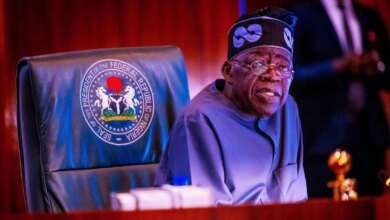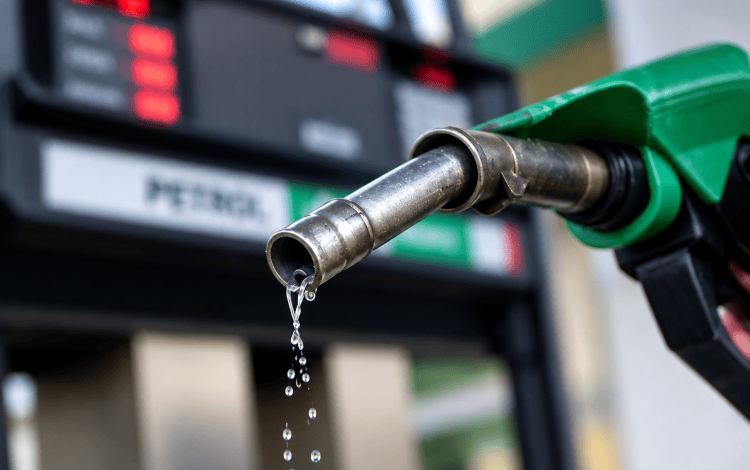
Nigeria’s 30-day petrol discount has raised fresh questions about President Bola Tinubu’s commitment to market-driven fuel pricing, with economists warning that temporary relief could unsettle investors if it signals a return to government intervention ahead of the 2027 election.
Finance Minister Taiwo Oyedele announced that the Nigerian National Petroleum Company Limited (NNPC) would offer the discount at its filling stations. The intervention follows mounting public frustration over soaring petrol prices and the cost of living.
NNPC introduced a discount of ₦66 per litre and extended the offer until October 31. Petrol was selling for about ₦1,355 per litre in Lagos and ₦1,400 in other parts of the country, according to the Financial Times.
The government maintains that the measure is not a fuel subsidy. Oyedele explained that NNPC would forgo its profit margin and sell petrol at the wholesale price.

However, the timing has drawn scrutiny because Tinubu’s administration removed the petrol subsidy in 2023, a major policy shift intended to ease pressure on public finances and allow market forces to determine fuel prices.
READ RELATED NEWS UPDATES:
Why investors are watching
Razia Khan, chief economist at Standard Chartered, said the unexpected announcement could unsettle investors who have supported Nigeria’s economic reforms but remain sensitive to policy uncertainty.
“The danger is that they are not going to warm to Nigeria when it looks like a backdoor reintroduction of something that resembles a fuel subsidy,” Khan said
The distinction matters because investors assess not only the immediate cost of government policies but also whether economic rules will remain predictable.
The government says it is negotiating with domestic refiners and fuel importers to establish a wholesale price ceiling of ₦1,350 per litre. Under the proposed arrangement, suppliers would absorb costs above that threshold and recover their losses when prices decline.
The financial implications will depend on how the arrangement operates, who ultimately bears the costs and whether the government extends the intervention beyond its announced period.
Will Nigerians feel the relief?
For households already struggling with expensive transport, food and electricity, the discount offers limited relief. Many businesses and homes rely on petrol-powered generators because of unreliable electricity supply, making fuel prices a significant part of their daily expenses.
David Olujinmi, a researcher at SBM Intelligence, described the intervention as a pre-election sweetener, suggesting that growing public dissatisfaction could be influencing the administration’s decision.
Opposition figure Atiku Abubakar has also attracted attention by promising to restore fuel subsidies.
Energy analyst Noelle Okwedy, however, questioned whether the discount would adequately address the pressure on households and investors.
The bigger economic question
The policy presents Tinubu’s government with a difficult balance: easing the immediate burden on Nigerians without undermining the credibility of its economic reforms.
A short-term reduction could offer some relief and potentially moderate inflationary pressure. An extended intervention, however, could raise concerns about fiscal discipline and the direction of fuel pricing policy.
For motorists, transport operators and businesses, the immediate concern is whether the discount will meaningfully reduce operating costs. For investors, the decisive issue is whether the government will maintain a clear, predictable policy after the 30-day window.
The discount may ease some pressure at the pump, but its lasting significance will depend on what follows October 31.
For More Details, Visit New Daily Prime News