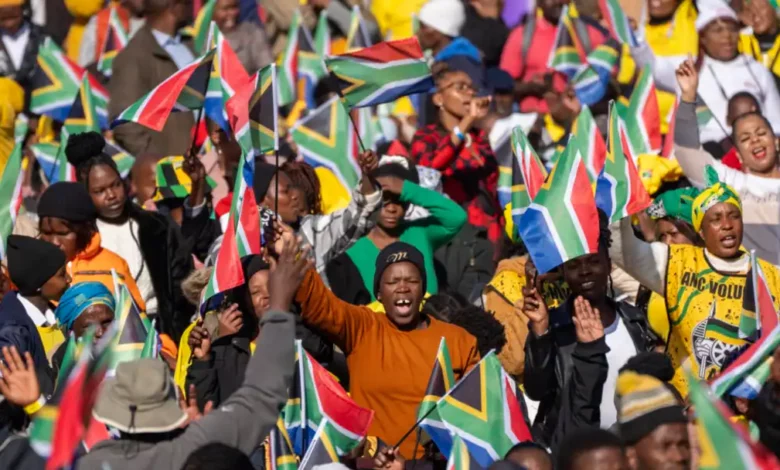
The South African government cancelled a directive on Friday for refugee reception offices to process asylum applications after severe violence broke out in Johannesburg’s Soweto township and Durban on Thursday.
Anti-migrant locals clashed with foreign nationals after hundreds of people rushed to asylum offices, causing cars to burn and shops to be looted.
Officials stopped the order because the crowds overwhelmed their facilities, endangered staff, and created severe threats to public safety.
Police reported that protesters torched 10 vehicles and looted small convenience stores in Soweto. Protesters also set fire to 14 vehicles and a municipal building in the east coast port city of Durban.

READ RELATED NEWS
UN reacts to South Africa’s xenophobic tensions, urges end to violence
Xenophobic Attacks: FG to evacuate another batch of Nigerians from South Africa
FG demands probe, accountability from South Africa over Killings, xenophobic protests
Police arrested three foreign nationals in Durban for allegedly assaulting a local protester during the unrest. The Home Affairs Department, which manages immigration, announced it will start a fresh process to handle applications.
The cancelled order originally followed a directive from the Constitutional Court, South Africa’s highest court. The court ruled that certain procedural barriers preventing refugees from seeking asylum were unconstitutional.
However, the sudden influx of asylum seekers restarted local hostility against undocumented migrants, which led to weeks of protests and caused tens of thousands of Africans to leave the country.
Elections and economic tension
The continent’s wealthiest nation has seen foreign nationals move in from across Africa for decades. The country has suffered repeated outbreaks of xenophobic violence, which means attacks against foreigners, for nearly two decades. Local residents often claim that foreign workers take away limited jobs and public resources.
Discontent over foreign nationals entering the country without legal permission has grown before the local government elections on November 4. Joblessness in South Africa currently stands above 30 per cent, making unemployment a major issue for voters.
Fatal clashes and diplomatic fallout
Violence earlier this year killed at least four foreign nationals, the South African police service stated. Several African governments disputed this number, claiming the true death toll was higher.
The unrest forced large numbers of foreign nationals to leave South Africa, with the highest numbers returning to Zimbabwe and Malawi. Citizens from Ghana, Kenya, Lesotho, Mozambique, Nigeria, and Uganda also fled the violence.
Some foreign governments arranged transport to bring their citizens home, which raised diplomatic tensions with the authorities in Pretoria.
For More News Details, Visit www.NewDailyPrime.news.