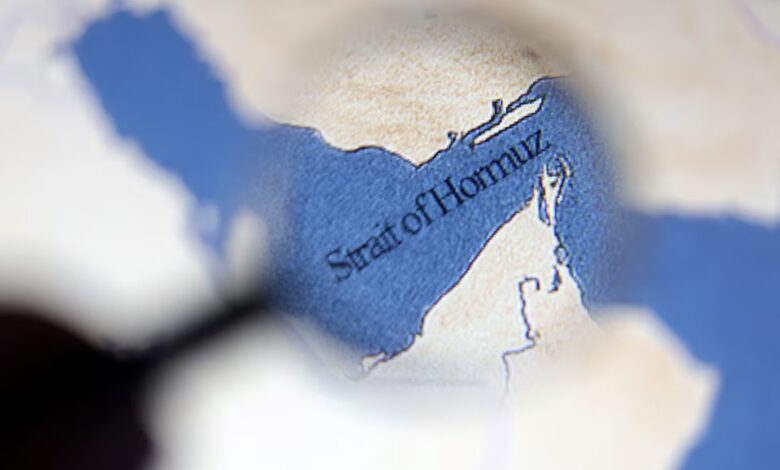
Three Liberian-flagged oil tankers were struck by unknown projectiles while transiting the Strait of Hormuz, raising fresh concerns over the safety of commercial shipping through one of the world’s most important energy routes.
The incidents occurred on Tuesday and were reported by shipping intelligence service Marisks, which said the source and nature of the projectiles remained unidentified. Reuters reported on Thursday that the vessels had been moving through the strait with their Automatic Identification System transponders switched off to avoid detection, according to Marisks.
The incidents were also reported by the United Kingdom Maritime Trade Operations Centre (UKMTO), which said three vessels had been struck by unknown projectiles while navigating the strategic waterway. A crude oil tanker and a liquefied natural gas tanker were among the vessels reported to have been hit.
No party has been publicly identified as responsible for the incidents. UKMTO has not attributed the strikes to Iran or any other country, leaving the circumstances surrounding the attacks unclear.

READ RELATED STORY
Trump-Zelensky clash over Russian refinery strikes as global oil prices soar
UK says Iran may have played role in RAF Fairford incident
The latest incidents come amid continuing tensions around the Strait of Hormuz, a narrow waterway connecting the Persian Gulf with the Gulf of Oman and the Arabian Sea.
The strait is a critical route for international energy supplies, making any disruption to commercial shipping a concern for governments, oil producers, shipping companies and global markets.
Shipping activity through the waterway has been affected by the broader regional conflict and attacks on commercial vessels. The latest incidents are likely to add to concerns among shipping operators about the risks of navigating the strait.
The security of the waterway has become increasingly important for global energy markets because large volumes of crude oil, petroleum products and liquefied natural gas normally pass through the route.
Oil markets have also been closely monitoring developments around the strait. Reuters reported on Thursday that Brent crude was trading at about $98.67 a barrel, while US West Texas Intermediate stood at around $90.09, as investors assessed recovering Gulf exports and renewed diplomatic efforts between the United States and Iran.
Despite the security concerns, Gulf oil exports have shown signs of recovery. Reuters reported that exports had returned closer to their average 2025 levels, easing some immediate concerns over potential supply shortages.
However, continued attacks or disruptions involving commercial vessels could have wider consequences for international shipping, insurance costs and energy markets if they persist.
The latest incidents also come as diplomatic efforts continue between the United States and Iran. Iran said on Wednesday that it had received a US response to its latest proposal aimed at reviving a collapsed ceasefire, although significant differences remain between the two sides.
For now, the identities of those responsible for the three projectile strikes remain unknown. Maritime authorities continue to monitor the waterway and have urged commercial vessels to exercise caution while navigating the Strait of Hormuz.
The incidents underscore the continuing security risks facing international shipping in the strategic waterway and the potential impact of regional tensions on global energy supplies.