Britain is considering tighter legal restrictions on sexual relationships between teenagers and significantly older adults after the conviction of comedian Russell Brand revived questions about whether the country’s age-of-consent laws adequately protect 16 and 17-year-olds from exploitation.
Work and Pensions Secretary Pat McFadden confirmed that ministers would discuss proposals for a staggered age of consent, although he gave no indication that the government had approved a change or set a timetable for legislation.
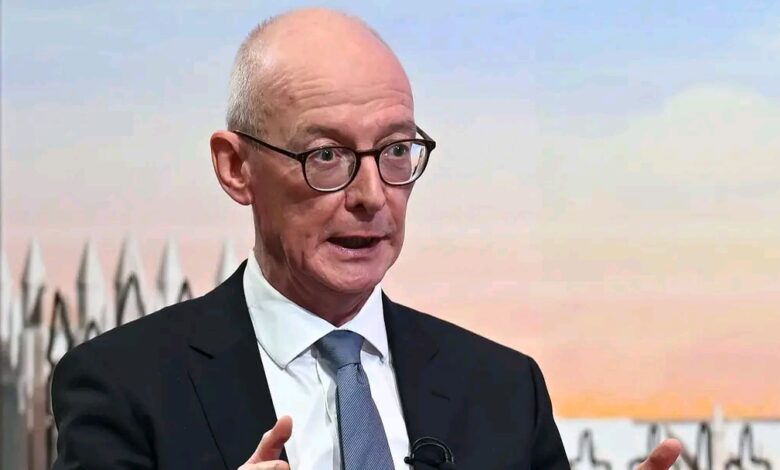
Speaking on the BBC’s Sunday with Laura Kuenssberg on November 15, McFadden described recent accounts of sexual abuse by powerful men as appalling and acknowledged that substantial age differences could contribute to an imbalance of power.
He said the proposal had “been raised and will be discussed”, adding that he could not predict the eventual outcome.


RELATED NEWS:
What the proposed law would change
Under current law in England and Wales, the age of consent is 16. This means a person aged 16 or 17 can legally consent to sexual activity, including with an adult significantly older than them, provided the relationship does not involve coercion, exploitation or another offence.
However, the law already prohibits sexual activity involving 16 and 17-year-olds where an adult occupies certain positions of trust, including teachers, foster carers and some other professionals responsible for their welfare.
The proposed reform would introduce age limits between partners. Close the Consent Gap, a campaign led by child protection social worker Layla Stone, wants a 16-year-old to be legally protected from sexual relationships with anyone older than 19. For a 17-year-old, the proposed upper limit would be 20.
The campaign says this would protect teenagers from relationships involving substantial age differences without criminalising relationships between young people of similar ages.
The case that revived the debate
The renewed attention follows Brand’s sentencing at Southwark Crown Court on November 9. He received 10 years and six months in prison after a jury convicted him of one count of rape and three counts of sexual assault involving four women between 2004 and 2009.
He was acquitted of two other rape charges and an attempted indecent assault allegation.
Mia Latter, who was 16 when she met Brand at 30, has separately campaigned for changes to the law. She was among six women whose allegations featured in a 2023 investigation by The Times, The Sunday Times and Channel 4’s Dispatches. None of those six women was a complainant in Brand’s recent criminal trial.
Latter has alleged that Brand sexually assaulted her during their relationship. Her allegations must be distinguished from the offences for which he was convicted.
The opposition Conservative Party has also backed discussion of the proposal. Shadow Work and Pensions Secretary Helen Whately said the issue deserved consideration, while the NSPCC warned that teenagers could still face grooming and exploitation despite being above the legal age of consent.
Any reform would require careful consideration of how to protect young people without criminalising consensual relationships between teenagers. It would also need to define the age limits clearly and address how existing safeguarding laws would interact with the proposed restrictions.
McFadden’s comments signal government willingness to examine the issue, not a decision to change the law. The debate now centres on whether reaching 16 should automatically permit relationships with adults of any age, or whether the law should recognise the particular vulnerability of older teenagers to unequal relationships.
For More News Updates, Visit New Daily Prime News