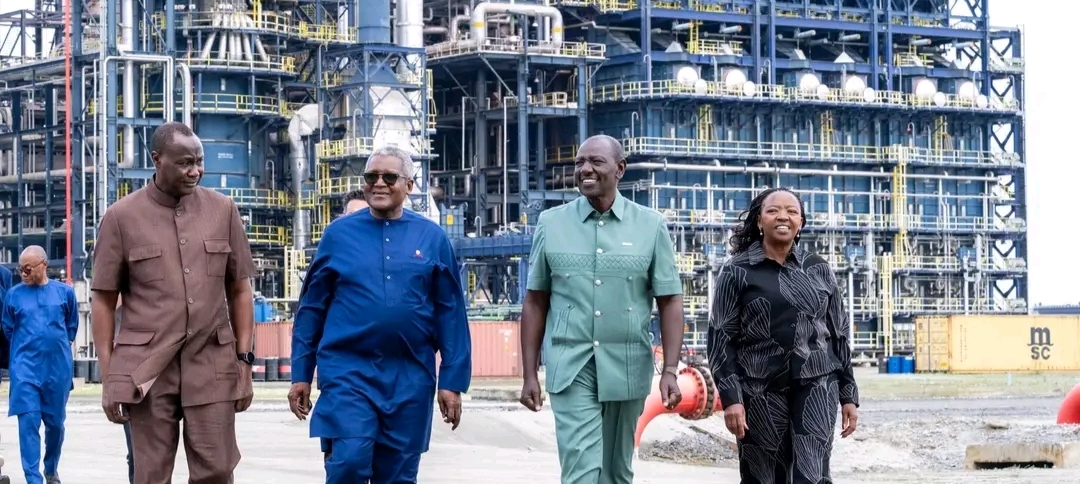
Aliko Dangote’s proposed 700,000-barrel-per-day refinery in Kenya has cleared another legal hurdle after a tribunal dismissed a consumer group’s challenge, removing one obstacle to the planned project in Lamu but leaving wider questions about public investment and community participation.
The Public-Private Partnerships Petitions Committee Tribunal ruled on October 30 that the Consumers Federation of Kenya (COFEK) had failed to establish that the refinery qualified as a public-private partnership. It also found no legal basis for compelling the disclosure of documents relating to the proposed development.
COFEK had asked the tribunal to review and set aside any project approvals that did not comply with applicable laws. It also sought disclosure of the Kenyan government’s proposed investment arrangements, including the investment vehicle, shareholding structure, payment terms and evidence of public participation.
The ruling therefore addresses the legal basis of COFEK’s petition. It does not amount to a blanket approval of every aspect of the refinery or settle all concerns surrounding its development.


The dispute gained prominence after David Ndii, chairman of Kenya’s President’s Council of Economic Advisors, announced on August 21 that Dangote Group had offered East African countries a 30 per cent equity stake in the proposed refinery.
That offer could give countries in the region an opportunity to participate in a major energy investment, but it should not be mistaken for completed ownership or a confirmed financial contribution. The terms, participating countries and final investment arrangements were not disclosed in the information available.
The Lamu project has also faced opposition from residents. Construction had been suspended following an earlier court order issued after a petition by members of the local community. The suspension was lifted on October 14, allowing the project to proceed.
RELATED NEWS:
The latest tribunal decision removes the challenge brought by COFEK, but it does not erase the importance of the earlier community dispute. Questions about environmental safeguards, local consultation, land use and the distribution of economic benefits are significant for a project of this scale.
At a proposed capacity of 700,000 barrels daily, the refinery would be a major addition to East Africa’s energy infrastructure. Its eventual impact would depend on more than its processing capacity.
Crude supply, financing, transport links, environmental compliance and access to regional markets would shape its commercial prospects.
The project carries particular significance for Nigeria because it reflects Dangote Group’s ambition to extend its influence beyond the domestic refining market. A successful development could strengthen the company’s position in regional petroleum supply, although its commercial benefits will depend on execution and market conditions.
The tribunal’s decision clears one legal obstacle. Construction, financing and the outstanding regulatory and community issues will determine whether the proposed refinery moves from an ambitious regional plan to an operating industrial asset.
For More News Updates, Visit New Daily Prime News