The Ebola epidemic in the Democratic Republic of Congo (DRC) has intensified pressure on governments to settle a major dispute over international access to vaccines, medicines and disease samples, as the World Health Organisation (WHO) warns that the next pandemic could expose the same inequalities that prolonged COVID-19.
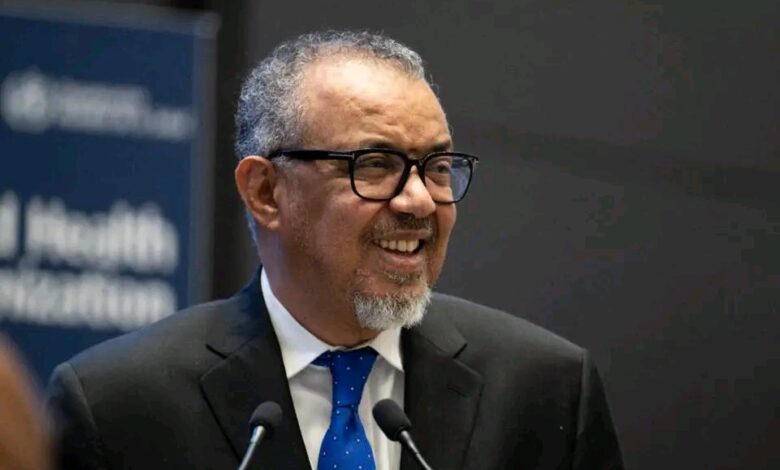
WHO Director-General Tedros Adhanom Ghebreyesus made the appeal on Monday as the ninth round of negotiations on an international pandemic treaty opened in Geneva, Switzerland. He called on countries to complete the agreement, warning that infectious diseases can spread beyond the borders of the countries where they first emerge.
“A pathogen threat anywhere can become a threat everywhere, to people of every country,” Tedros said in his written address.
“The outbreak of hantavirus earlier this year, and the ongoing Ebola epidemic in DRC remind us of this threat.”


The Ebola outbreak, declared in May, has reportedly infected more than 10,000 people and killed nearly 5,000, mostly in the DRC. A separate hantavirus outbreak aboard a cruise ship in April killed three people.
For Tedros, these incidents reinforce a central lesson from COVID-19: no country can guarantee its safety by acting alone. Yet, wealthy and developing nations are still divided over how to translate that principle into practical commitments.
RELATED NEWS:
Countries adopted the Pandemic Agreement in May 2025 but left one major issue unresolved: the Pathogen Access and Benefit-Sharing (PABS) system. This mechanism is intended to govern access to pathogens with pandemic potential and ensure that benefits developed from them, including vaccines, diagnostic tests and treatments, are shared fairly.
The disagreement is crucial because researchers need access to disease samples to identify threats and develop medical countermeasures. However, countries that provide those samples also want assurances that they will not be excluded when resulting vaccines and treatments become available.
The COVID-19 experience exposed this imbalance. Although scientists developed vaccines at unprecedented speed, wealthy countries secured large supplies while many poorer nations struggled to obtain enough doses.
“The world developed vaccines in record time, but too many countries were left waiting while others secured far more than they needed,” Tedros said.
“That inequity cost lives, prolonged the pandemic and increased the risk of new variants emerging.”
The unresolved PABS arrangement is therefore not merely a technical disagreement. It concerns who gets access to life-saving products during an emergency, how quickly supplies are distributed and whether poorer countries can depend on international cooperation when demand exceeds production.
African countries have a particular interest in the outcome. Limited domestic manufacturing capacity can leave many dependent on imported vaccines, tests and treatments during major outbreaks. Without credible sharing arrangements, they could again face delays when supplies are scarce.
However, signing a treaty alone will not guarantee equal access. Its effectiveness will depend on clear obligations, practical enforcement and the willingness of governments and manufacturers to honour the agreed terms.
Tedros described PABS as the final outstanding piece of the agreement and called its completion essential to a safer future. The Geneva talks will determine whether countries can resolve the dispute before another health emergency tests their preparedness.
For More News Updates, Visit New Daily Prime News