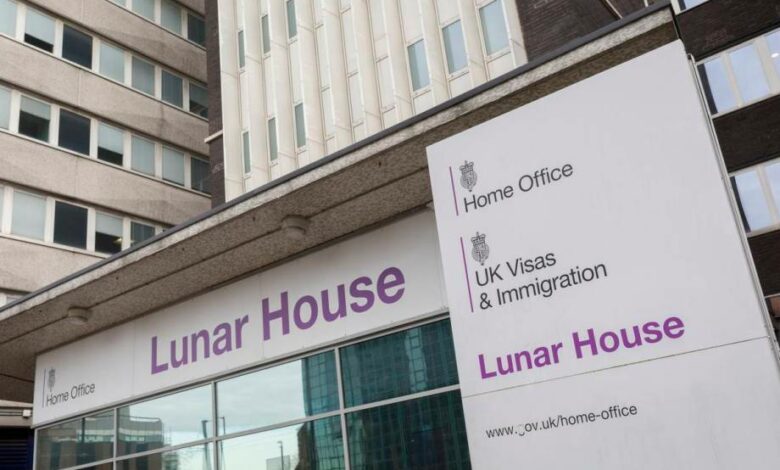
The UK Home Office is preparing to expand the use of facial recognition cameras to identify people suspected of breaching immigration rules, including those who have overstayed their visas. The technology could be deployed at transport hubs and public events as the government increases immigration enforcement, raising concerns about privacy and the treatment of migrant communities.
The development, revealed in a Guardian investigation published on 4 November 2026, comes as Home Secretary Shabana Mahmood moves to strengthen efforts to identify people without permission to remain in Britain.
For Nigerians and other foreign nationals living in the UK, the expansion could mean more identity checks in public places. However, holding a Nigerian passport or being a foreign national does not, by itself, make someone a target for immigration enforcement. The measures are intended to identify individuals suspected of living in the UK unlawfully or breaching immigration rules.
The Home Office has not published a confirmed nationwide start date or an estimate of how many people could be identified through the expanded programme.


How the facial recognition system will work
Live facial recognition uses cameras to capture images of people passing through a particular location.
Computer software compares those images with photographs stored on a predetermined watchlist. If the system identifies a possible match, immigration officers can review the alert and decide whether further checks are necessary.
Unlike traditional immigration visits to homes or workplaces, the technology could allow officers to identify people in busy public areas.
According to the documents examined by The Guardian, potential deployment locations include railway and other transport hubs, as well as events attracting large crowds.
The Home Office says the technology could help locate people subject to immigration removal action, those attempting to enter Britain unlawfully and individuals suspected of immigration-related offences.
The documents also indicate that people who have overstayed their visas or failed to comply with immigration conditions could be considered for watchlists, even where the underlying matter is not a criminal offence.
However, a facial recognition match would not automatically establish that someone had breached immigration law or justify deportation without the applicable legal procedures.
Immigration crackdown: What has changed?
The Home Office has already tested facial recognition technology during immigration operations.
Three trials took place at Holyhead port in Wales between November 2025 and February 2026, focusing on people travelling from Ireland into Britain who were subject to deportation orders or wanted for immigration-related criminal offences.
Updated government documents published in October show that the programme has moved beyond its initial testing stage into a formal pilot and delivery process.
The proposed expansion is significant because it could extend the technology’s use beyond people suspected of criminal offences to individuals involved in civil immigration matters, including visa overstaying.
Mahmood has also announced plans to double immigration enforcement funding and increase the enforcement workforce by 60 per cent, with the aim of carrying out tens of thousands more operations.
The government has not confirmed exactly where the next facial recognition deployments will take place.
What this means for Nigerians living in Britain
The development is relevant to Nigerians working in healthcare, social care, hospitality, construction and other sectors, particularly those whose immigration permission depends on employer sponsorship.
A person whose visa has expired, whose permission has been curtailed or who has failed to comply with immigration conditions may face enforcement action, depending on their circumstances.
However, workers who lose employment or sponsorship do not necessarily become unlawfully resident immediately. Their position depends on their existing permission, any Home Office action and whether they have made a valid application to remain.
Nigerians living legally in Britain, including students, skilled workers, dependants and people with indefinite leave to remain, do not lose their immigration rights because facial recognition technology is being expanded.
The development follows wider changes to immigration policy, including the decision to retain a five-year settlement route for certain qualifying migrant care workers.
As New Daily Prime previously reported, the revised settlement arrangements distinguish between workers who meet the conditions for a five-year route and those who may face a longer wait.
Campaigners warn about privacy and racial bias
Civil liberties organisations have raised concerns about expanding facial recognition into immigration enforcement.
Griff Ferris, spokesperson for the Joint Council for the Welfare of Immigrants, criticised the use of the technology against migrant communities, warning that it could increase fear among people already facing immigration uncertainty.
Sarah Lasoye of the Open Rights Group also questioned whether sufficient legal safeguards and public scrutiny were in place before expanding surveillance.
Campaigners are particularly concerned about the possibility of facial recognition systems incorrectly identifying people from minority ethnic backgrounds.
They argue that errors could lead to unnecessary questioning and disproportionately affect Black and other minority communities.
The concerns are relevant to Nigerians living in Britain, although there is no verified evidence in the documents that Nigerians are being singled out for surveillance.
The Guardian also reported that the Biometrics and Surveillance Camera Commissioner, William Webster, had not been consulted on the immigration enforcement policy and said its use fell outside his remit.
Related new
In a separate announcement on 4 November, the government proposed new legislation to regulate police use of facial recognition.
The measures include an independent oversight body, clearer rules governing deployment and mandatory testing to identify potential discrimination involving race, gender or age.
The government also wants facial recognition operations to be intelligence-led and proportionate, rather than used without a justified policing purpose.
Mahmood defended the technology, saying:
“The benefits are clear, but we must ensure that its use is fair, safe and proportionate.”
The Home Office says facial recognition has helped police identify wanted offenders and improve public safety.
According to official figures, a pilot using fixed facial recognition cameras in Croydon between October 2025 and March 2026 resulted in 173 arrests.
However, those were policing results, not immigration enforcement arrests, and should not be treated as evidence of the new immigration programme’s effectiveness.
The proposed oversight arrangements have not yet been fully implemented. Questions therefore remain about how the new protections will apply to immigration operations.
What migrants should do now
People concerned about their immigration status should check their current Home Office permission rather than assume they are affected by the new technology.
Workers whose employers have lost sponsorship licences should establish whether their immigration permission remains valid and whether they need to find another licensed sponsor.
Those awaiting visa decisions should retain evidence of their applications and seek regulated immigration advice where necessary.
The Home Office’s official facial recognition guidance explains the immigration programme and its operating procedures. Under the published policy, people under 18 are not to be included on immigration enforcement facial recognition watchlists.