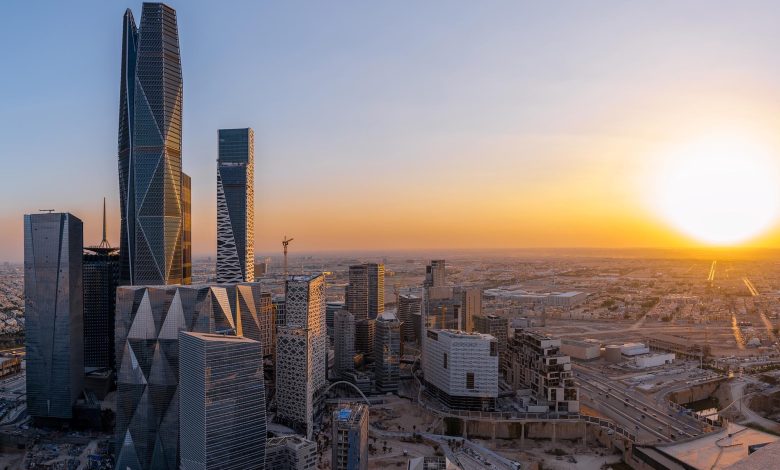
A suspected Houthi missile attack has damaged Riyadh’s tallest skyscraper, which houses the headquarters of Saudi Arabia’s sovereign wealth fund, marking another escalation in the growing confrontation between the Yemeni armed group and the kingdom.
The 80-storey Public Investment Fund (PIF) Tower, located in Riyadh’s King Abdullah Financial District, sustained damage on Thursday, November 19, after an incoming missile struck the building, according to three sources familiar with the incident.
The attack shattered windows across seven to eight floors and damaged sections of the skyscraper’s metal exterior, while nearby buildings also sustained material damage.
Saudi Arabia’s Civil Defence confirmed that a tower in the capital’s financial district had been attacked, although its initial statement did not identify the building. The authorities reported no casualties following the incident.


The strike prompted the closure of entrances to the King Abdullah Financial District, while emergency personnel, including ambulances and fire crews, were deployed to the area.
HOUTHIS CLAIM MULTIPLE ATTACKS ON SAUDI TARGETS
The Houthi movement said it had targeted Riyadh’s financial district twice on Thursday, once in the early morning and again in the evening.
The group also claimed responsibility for attacks on King Khalid International Airport in Riyadh, Khamis Mushait airbase in southern Saudi Arabia and SADAF Petrochemical Company in Jubail, located in the kingdom’s Eastern Province.
However, Saudi authorities did not immediately confirm the additional attacks.
The Saudi-led coalition fighting the Houthis said it had dealt with a missile threat launched towards Riyadh, adding that its initial assessment indicated falling debris had caused material damage.
Saudi Arabia’s Foreign Ministry condemned the attack and warned that the kingdom reserved the right to take necessary measures to defend its sovereignty, citizens and national assets.
The ministry said Saudi Arabia would not tolerate attacks against its territory and critical infrastructure.
READ RELATED NEWS
Saudi Arabia intercepts missiles as Aramco building sustains damage in Riyadh
UK strengthens Saudi Air defenses as Houthi attacks intensify
Trump, Xi and Putin meet face to face for first time in China ahead of historic talks
SECOND MAJOR ATTACK ON RIYADH’S DISTRICT
The latest incident is the second time in less than two weeks that a major building in Riyadh’s financial district has been damaged in an alleged Houthi attack.
On November 8, Saudi oil giant Aramco’s building in the capital was also hit, raising concerns about the vulnerability of the kingdom’s commercial and economic infrastructure.
The repeated attacks have increased security concerns around the King Abdullah Financial District, which serves as a major centre for international businesses, financial institutions and investment activities.
The attacks also come as Saudi Arabia continues to pursue its Vision 2030 economic diversification programme, which seeks to reduce the kingdom’s dependence on oil revenues and establish Riyadh as an international business and investment destination.
ATTACKS RAISE CONCERNS OVER REGIONAL SECURITY AND INVESTMENT
The growing confrontation presents economic and security challenges for Saudi Arabia, the world’s largest crude oil exporter.
Repeated attacks on airports, oil installations and commercial buildings could undermine investor confidence and disrupt the kingdom’s efforts to attract international businesses.
The conflict also carries wider implications for international shipping because of the Houthis’ expanding presence along Yemen’s Red Sea coastline, particularly around the strategically important Bab el-Mandeb Strait.
The waterway connects the Red Sea to the Gulf of Aden and provides a critical passage for commercial vessels travelling between Europe and Asia.
Any sustained disruption could force shipping companies to adopt longer routes, increasing transportation costs and affecting international supply chains.