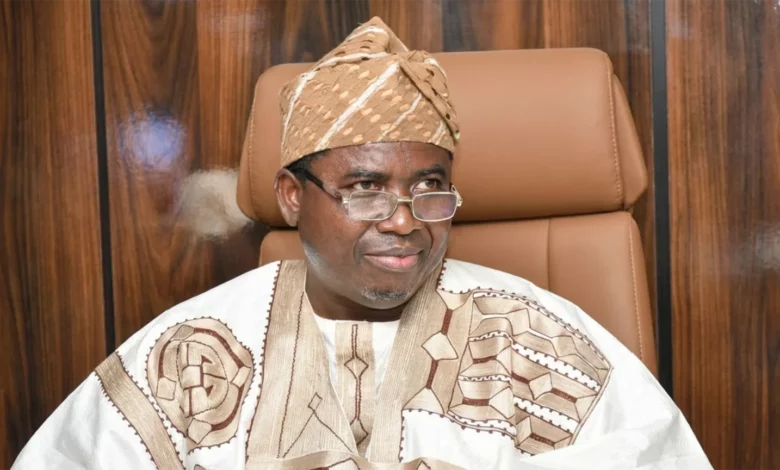
The Independent National Electoral Commission (INEC) has ordered an end to the use of web cameras for voter registration after discovering that artificial intelligence was used to introduce unauthorised pictures into its voter register.
INEC Chairman, Prof. Joash Amupitan, announced the decision on Monday, 9 November 2026, during a press conference at the Commission’s headquarters in Abuja.
The Commission has directed its Director of Information and Communication Technology (ICT) to replace web cameras with an application-based camera that takes pictures directly through its system.
New camera system to prevent image imports
Amupitan said the new arrangement would stop registration personnel from importing pictures through external web addresses.


He said INEC had identified access points used to introduce AI-generated images into the register. He also warned that one person with access to a password could compromise the system.
“We have found the number that were used through AI to infiltrate. You see, it takes just one person to compromise the password,” he said.
The chairman also disclosed that some access had been granted by authorised personnel, creating room for the misuse of the technology.
READ RELATED NEWS
INEC pledges neutrality in 2027 race
Group demands INEC audit after voter register controversy
Obi faults INEC over 453 new Delta polling units
INEC has also approved a comprehensive artificial intelligence governance framework to guide its use of the technology during electoral activities.
Amupitan said the Commission had an AI policy approved in 2025, but the rapid changes in the technology made a more detailed framework necessary.
The new guidelines were developed with the International Foundation for Electoral Systems (IFES) and the UK High Commission. They underwent peer review before INEC considered the ECOWAS protocol on AI governance.
“Just today, the commission also approved the AI governance framework that will improve on what we used to have,” he said.
He said the guidelines contain safeguards to ensure AI is “deployed for proper purpose and for proper use.”
INEC staff face possible prosecution
The chairman also disclosed that the Commission had identified staff members linked to double registration cases.
He said the matter had attracted investigations by security agencies, adding that INEC would take internal disciplinary action against any employee found responsible.
Staff members linked to criminal acts would also be handed over to law enforcement agencies for prosecution.
“They are all staff of INEC, and we are taking some steps. We are not covering anything. What I told you today is the truth,” Amupitan said.
He explained that the Commission had been checking complaints from its boards, online platforms and social media against the voter register.
Some cases circulating online, including records showing one person’s name alongside another person’s photograph, came from earlier registration exercises.
Amupitan said cases from the current exercise with digital records and other evidence would receive further action.
He also said INEC had reviewed its ICT systems and cybersecurity arrangements during Monday’s meeting as part of preparations for the general election.
On the ADC leadership dispute, the chairman said INEC had not received the court judgment and would not act on information circulating online.
He explained that the Commission’s procedure requires the chairman to receive such judgments and obtain advice from the relevant department before the matter goes before the Commission.
“I know I’m also a lawyer,” he said, adding that he would personally examine the legal documents filed in the case.
He recalled an earlier incident involving a purported Supreme Court judgment circulated online, which the court later disowned.
On electoral reforms, Amupitan said INEC had proposed early voting for journalists and other people working on election duties during discussions on amendments to the Electoral Act.
However, the proposal did not receive the support of the National Assembly. He said the Commission would continue advocating for its inclusion in the law.
WHAT READERS SHOULD KNOW
Section 19 of the Electoral Act allows registered voters to raise complaints, objections and claims about problems in the voter register.
Amupitan said this provision recognises that errors could occur in a register containing over 100 million voters.
The complaint process gives people an opportunity to report questionable entries and help expose irregularities in the register.
He said the recent incidents should serve as an early warning for INEC to improve its security arrangements before the general election.
For More News Details, Visit www.NewDailyPrime.news.