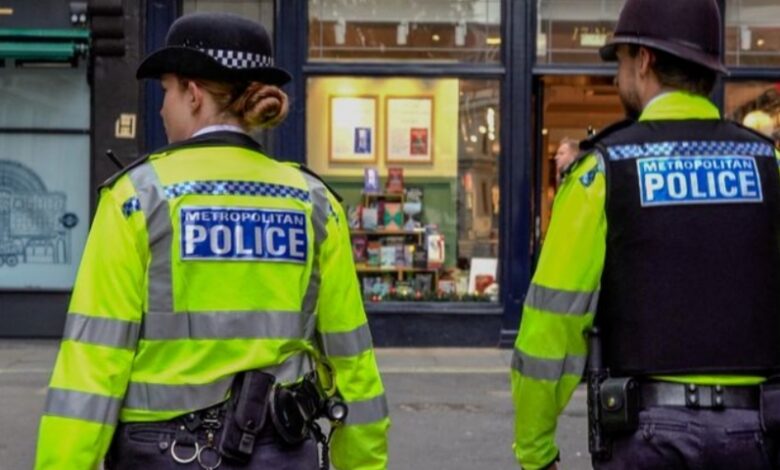
London has introduced a new knife crime operation combining facial recognition, metal detection and increased police patrols, as the United Kingdom Government intensifies efforts to prevent deadly attacks and reduce weapon carrying in high-risk communities.
The campaign, known as ‘No Place for Knives’, was launched on Monday, November 2, in Westminster and Croydon, with enforcement operations also being piloted in Birmingham city centre. It combines visible policing with surveillance technology and youth intervention programmes, targeting locations where knife-related violence has caused the greatest concern.
The Home Office said the operation was developed with police forces and local authorities. Officers will deploy live facial recognition systems, metal detectors, rapid-response electric bikes and additional foot patrols to identify potential threats and discourage people from carrying knives.


The campaign will also use advertisements at Underground stations, bus stops and on social media. A public awareness mural has been installed at Boxpark Croydon.
Westminster, Croydon and 16 other London boroughs have received more than £8.1 million from the Government’s Knife Crime Concentrations Fund. The money is intended to support targeted police operations, youth outreach and safety patrols, particularly around busy entertainment districts at night.
The Home Office cited national figures showing that knife crime had fallen by 11 per cent since the General Election. Knife-related homicides declined by 25 per cent, while knife-enabled robberies dropped by 18 per cent.
RELATED NEWS:
London recorded a 14 per cent reduction over the same period. Knife-related killings fell by 34 per cent, while robberies involving knives decreased by 19 per cent.
Policing and Crime Minister Sarah Jones said the campaign was designed to improve public confidence and prevent violence.
“Everyone in Westminster and Croydon deserves to feel safe on their streets. We know that hearing of knife crime incidents happening in your city can have the opposite effect and we want to stop that,” she said.
Metropolitan Police Commander Pete Stevens said officers were concentrating resources on individuals considered most likely to pose a threat. He also reported a 14.9 per cent fall in knife-enabled offences across London in the last financial year and a 29 per cent reduction in hospital admissions following attacks involving sharp weapons over five years.
The strategy also has support from anti-violence organisations. Crimestoppers Director of Operations Mick Duthie encouraged residents to provide information anonymously, while Ben Kinsella Trust Chief Executive Patrick Green welcomed the involvement of young people in shaping the campaign.
However, the increased use of facial recognition raises questions about privacy, accuracy and safeguards against wrongful identification. Its effectiveness will depend not only on detecting suspected offenders but also on ensuring that surveillance is properly regulated and does not unfairly target innocent people.
The Government’s ambition is to halve knife crime within a decade. The new operation represents an enforcement push towards that target, but its lasting success will also depend on whether prevention programmes can address the pressures that lead young people to carry weapons in the first place.
For More News Updates, Visit New Daily Prime News