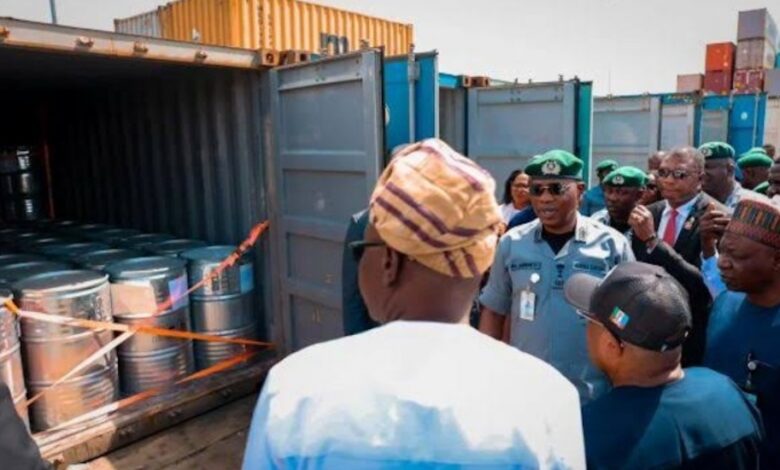
Nigeria has recovered 98 containers of electricity transmission equipment that had been stranded at its ports for more than a decade, reopening the possibility of completing delayed power projects and easing pressure on overloaded substations across the country.
The Federal Ministry of Power announced the release on Saturday, following President Bola Tinubu’s directive for the immediate clearance of the cargoes. The equipment includes high-capacity transformers, cables and switchgear originally procured to expand the national transmission network.
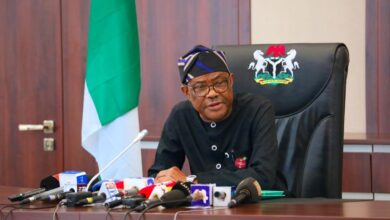
Minister of Power, Joseph Tegbe, disclosed that 44 containers were released from ENL Terminal, while another 54 were evacuated from APMT and Sun and Moon Terminals. The 98 containers represent only part of the consignment: more than 300 containers are still held at Nigerian ports.
The government has not disclosed why the equipment was initially detained by the Nigeria Customs Service or provided a breakdown of the accumulated charges arising from the prolonged delay.

Tegbe said the impasse had stalled important transmission projects, left existing substations carrying excessive loads and exposed public assets to deterioration. Demurrage and other port charges also accumulated while the equipment sat unused.
The consequences extended beyond the ports. Businesses had to spend more on generators and other alternative power sources, households faced persistent electricity interruptions, while public institutions struggled to maintain essential services.
RELATED NEWS:
The minister credited Tinubu’s intervention for accelerating the clearance process. He said he worked with the Comptroller-General of Customs, Bashir Adeniyi, to resolve the administrative bottlenecks preventing the equipment from leaving the terminals.
Adeniyi confirmed that Customs had begun working with the Ministry of Power, the Nigerian Ports Authority and terminal operators to evacuate the cargoes. He pledged continued cooperation until the outstanding containers were released.
However, recovering the equipment is only the first stage of the process. The ministry disclosed that the materials would undergo verification and testing, with refurbishment where necessary, before deployment to designated project sites.
This distinction is important. Transformers and switchgear cannot improve electricity supply simply by leaving a port. They must be confirmed fit for service, installed at the appropriate locations and connected to functioning transmission infrastructure.
Their contribution will also depend on the condition of distribution networks and the availability of electricity generated for delivery to consumers.
The equipment was originally intended to expand transmission capacity and relieve substations struggling with excessive demand. If properly installed, it could reduce technical constraints that limit the amount of electricity the national grid can carry to distribution companies.
The recovery also raises questions about how public infrastructure assets could remain trapped at the ports for more than ten years without a resolution. The ministry has yet to explain the original clearance dispute, the full financial cost of the delay or the measures being introduced to prevent a similar occurrence.
As more than 200 containers are still awaiting clearance, the government faces another test: ensuring that the remaining equipment is recovered and that all released materials translate into completed projects.
The real measure of this intervention will not be the number of containers evacuated, but the additional transmission capacity delivered, the substations relieved and the improvement Nigerians eventually experience in electricity supply.
For More News Updates, Visit New Daily Prime News