A proposed amendment to Nigeria’s National Health Act would compel public and private hospitals to assess emergency patients within 15 minutes, begin stabilisation within 30 minutes and face criminal penalties for unjustified refusal to provide life-saving care.
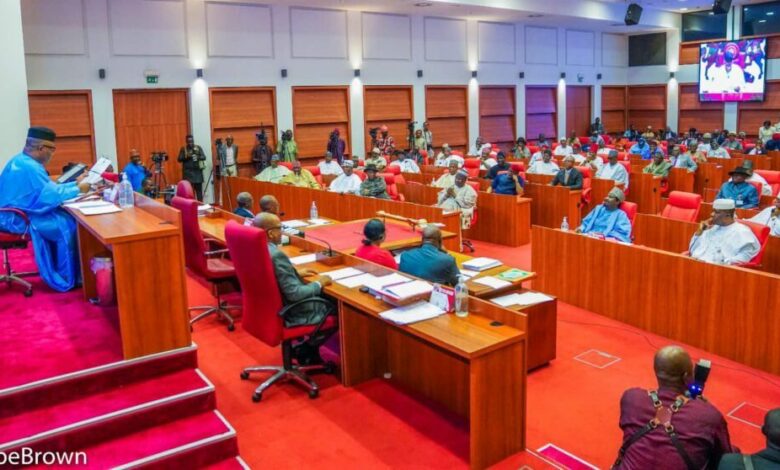
The Senate has advanced a bill seeking to end the practice of hospitals turning away emergency patients, proposing up to six months’ imprisonment, a ₦300,000 fine or both for those found guilty of denying urgent medical treatment.
Sponsored by Senator Abdulaziz Musa Yar’Adua, the legislation seeks to amend the National Health Act 2014 by introducing compulsory emergency care standards and referral procedures across the country.
The bill, SB. 759, passed second reading on Wednesday and was referred to the Senate Committee on Health (Secondary and Tertiary), which has four weeks to report its findings.


Its proposed timelines place clear responsibilities on hospitals from the moment an emergency patient arrives. Initial assessment and triage must take place within 15 minutes, while basic stabilisation, including oxygen, intravenous fluids, pain relief and preliminary diagnostic procedures, must begin within 30 minutes.
Patients requiring admission should receive beds within two hours, subject to availability. Where no bed is available, the hospital must stabilise the patient and arrange transfer to another facility.
The bill also requires referral arrangements to begin within two hours and transfer to be completed within three hours of arrival, except where circumstances beyond the hospital’s control prevent compliance. An ambulance or alternative transport must be dispatched within 30 minutes of the referral decision.
RELATED NEWS:
Criminal penalties meet practical concerns
Yar’Adua said the proposed amendment would address preventable deaths caused by delays in emergency assessment, treatment and referral. He cited Nigeria’s contribution to about 10 per cent of global maternal deaths, pointing to delays in accessing emergency obstetric services as part of the problem.
The proposal also requires emergency-care training and certification for health workers, with recertification at intervals not exceeding 18 months. The Medical and Dental Council of Nigeria and the Nursing and Midwifery Council of Nigeria would jointly develop a national training curriculum.
However, Senator Francis Faduyile warned that criminal sanctions alone could expose health workers to unfair punishment where hospitals lack doctors, oxygen, equipment and adequate funding.
The bill recognises this concern. It proposes protection for practitioners where resource shortages prevent compliance, provided the limitations are documented and referral procedures followed.
That safeguard will be important. A hospital cannot provide a bed that does not exist or summon an ambulance it cannot access. Yet, resource shortages should not become a blanket excuse for refusing immediate assessment or basic life-saving intervention.
A law must deliver more than penalties
The proposed amendment also raises questions about enforcement. It does not, in the details presented, establish how compliance will be independently monitored, how complaints will be investigated or how poorly equipped facilities will receive support to meet the standards.
The Senate must resolve these issues during committee scrutiny and public hearings.
The bill has not become law. Its passage through second reading signals legislative consideration, not an immediate change in hospital obligations.
Its eventual value will depend on whether the government pairs enforceable standards with the personnel, equipment and funding needed to make emergency care accessible.
For More News Updates, Visit New Daily Prime News